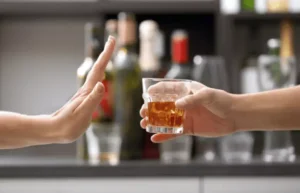

Navigating the complexities of accutane treatment and alcohol consumption can be challenging. Reach out to support groups, healthcare professionals, or online resources that specialize in accutane treatment and alcohol interactions. Educating yourself about the potential risks and side effects can help you make responsible choices and prioritize your well-being. In particular, it is crucial to inform healthcare providers about alcohol consumption while on Accutane.
Emotional Coping Strategies for Chronic Pain
Learn more about Accutane, how it works, medication safety, and why you should avoid mixing Accutane with alcohol or other substances. It reduces the size of sebaceous glands, decreases sebum production, and reduces inflammation in the skin, helping to minimize acne formation and promote healing. In addition, Accutane can cause a reduction in the number of bacteria on the skin, further contributing to its acne-fighting properties. Discover the risks, side effects, and the importance of abstaining for optimal treatment.
#2 Side Effects of Drinking Alcohol While on Accutane
While on Accutane, it’s crucial to pay attention to how your body responds to alcohol consumption. Some individuals may experience increased side effects, such as dizziness, nausea, or dehydration when combining Accutane and alcohol. If you notice any unusual or adverse reactions, it’s important to stop consuming alcohol immediately and seek medical advice. It is essential to discuss any concerns or experiences of side effects with a healthcare provider. Understanding the potential side effects of Accutane allows for informed decision-making and proactive management of any adverse reactions. It is important to note that Accutane has the potential to affect mental health as well.
Importance of Open Communication with Healthcare Provider
You may feel like you can think faster due to the fact that alcohol may reduce inhibitions and the perception of social and environmental cues, which can be mistaken for increased cognitive speed. The increase in dopamine production is what brings on the mental and physical issues sometimes seen when the two substances are mixed. If you have persistent or severe acne problems, or have questions about Accutane therapy, contact Sanova Dermatology to schedule your appointment with one of our skin care experts. You should also avoid waxing or cosmetic procedures like dermabrasion or laser hair removal while using Accutane and for six months after stopping acutane alcohol it because it increases the risk of scarring. Accutane treatment may be accompanied by certain side effects, which can vary in severity depending on the dosage.
- This can result in liver strain and even liver toxicity, which can have serious health implications.
- Accutane, also known as isotretinoin, is a powerful medication used to treat severe acne.
- When it comes to the combination of Accutane and alcohol, there are potential risks and side effects that individuals should be aware of.
- Ark Behavioral Health offers 100% confidential substance abuse assessment and treatment placement tailored to your individual needs.
- These interactions can potentially increase the risk of side effects and compromise the effectiveness of the treatment.
Can Herbs Alleviate Benzo Withdrawal Symptoms?
- If you have any concerns or questions, it is important to seek professional guidance from your healthcare provider.
- Excessive alcohol use can also cause pancreatitis, so the risk is compounded when you mix the two drugs.
- If you have any concerns or questions about the potential interactions between alcohol and Accutane, it is crucial to consult with your healthcare provider.
- In some cases, it may take up to six months of treatment before a patient’s acne is fully cleared.
- As such, it is critical that if you are taking Accutane, you stay informed, comply with your doctor’s orders, and make certain you are closely monitored by your doctor.
Some individuals may experience mood changes, depression, or thoughts of self-harm. If any concerning mental health symptoms arise during Accutane treatment, it is crucial to seek medical attention and inform your healthcare provider immediately. Remember, Accutane is a potent medication primarily used to treat severe cases of acne that have not responded to other treatments. It is essential to prioritize your health, adhere to the prescribed treatment plan, and avoid alcohol consumption to ensure the best possible results from your Accutane treatment. Accutane, also known as isotretinoin, is a medication primarily used to treat severe cases of acne that have not responded to other treatments.
When it comes to the combination of alcohol and Accutane, there are significant health risks to consider. Mixing these substances can have adverse effects on the body, particularly concerning liver toxicity and the risk of pancreatitis. When considering Accutane as a treatment option, it is important to have a thorough discussion with a healthcare provider to understand its potential benefits, side effects, and risks. They can provide personalized guidance based on individual circumstances and help determine if Accutane is the right choice for managing acne. It is important to note that individuals taking Accutane may already be at an increased risk of experiencing mood changes or depression.
Here, we explore both real-life experiences and individual variations when it comes to consuming alcohol while on Accutane. If you find it challenging to abstain from alcohol or have concerns about the impact of Accutane on your mental health, seeking support and education can be beneficial. There are resources available that can provide guidance and assistance during this time. Accutane is known to have potential effects on mental health, including an increased risk of depression and suicidal thoughts.
By understanding the potential side effects of mixing Accutane and alcohol, you can make informed decisions about your health and ensure the safety and effectiveness of your treatment. It is strongly recommended to abstain from alcohol consumption while undergoing Accutane treatment to avoid liver toxicity, pancreatitis, and negative impacts on mental health. Always consult with your healthcare provider for personalized advice and guidance throughout your Accutane journey. Medical supervision is particularly important when it comes to the combination of Accutane and alcohol. To ensure safety and minimize potential risks, it is generally recommended to avoid alcohol consumption altogether while taking Accutane. It is crucial to follow medical advice, monitor your body’s response, and seek professional guidance when addressing concerns related to addiction or substance use disorders.
You should avoid drinking any alcohol while taking Accutane, but there are other potential interactions and safety guidelines to be aware of.5Isotretinoin carries a serious risk of birth defects. People on isotretinoin receive pregnancy tests prior to starting the medication and must have two forms of birth control to prevent pregnancy while taking the drug. You shouldn’t give blood while on isotretinoin to avoid potential birth defects in people receiving the donation. It is strongly recommended to avoid alcohol while taking isotretinoin due to the increased risk of liver damage and elevated triglyceride levels.
Make sure you consume plenty of water before, after, and even while you are consuming alcohol. Drink plenty of water and have a plan if you experience a negative side effect. It’s a good idea to consult with your doctor to know what you should do if you accidentally consume alcohol. The increase isn’t permanent and once you stop taking Accutane your lipid levels decrease. Drinking alcohol while on Accutane can cause problems with triglyceride or fat levels in the blood.
If you’re considering taking Accutane and struggle with alcohol use, it’s crucial to seek detox and addiction treatment to avoid serious withdrawal symptoms or drug interactions. Once you complete an alcohol addiction treatment program, you can safely take Accutane with a lower risk of liver damage, pancreatitis, or other serious effects. Even though complete avoidance of alcohol is recommended while on Accutane, if an individual chooses to consume alcohol despite the potential risks, moderation is key.
Impact on Liver Function
The exact mechanism behind the interaction between alcohol, Accutane, and pancreatitis is not fully understood. However, it is believed that the combined presence of alcohol and Accutane can disrupt the production of dopamine, which can slow down the system and lead to side effects such as fatigue. Pancreatitis is a serious condition that requires medical attention, and mixing alcohol and Accutane can potentially increase the risk of experiencing this condition. The liver plays a crucial role in detoxifying substances, including medications like Accutane and alcohol.
The side effects listed above can have a significant impact on your driving ability and put you and other people on the road at risk. However, there may be some situations in which a doctor allows their patient to drink alcohol in moderation while taking Accutane. It’s important to remember that every case is different, and what works for one person may not be appropriate for another. If you’re considering drinking alcohol while taking Accutane, it’s crucial to talk to your doctor first. Accutane is a powerful medication prescribed to individuals with severe and persistent acne that has not responded to other treatments.