Thursday, November 12, 2026
Home Blog Page 321

State AGs warn retail giant Costco for doubling down on ‘discriminatory’ DEI

0

Attorneys general in 19 states are warning Costco “to end all unlawful discrimination imposed by the company through diversity, equity, and inclusion” policies to reflect President Donald Trump’s recent executive order booting DEI out of federal agencies and warning private sectors to do the same.

“Racial discrimination is both immoral and illegal. Race-based employment hiring violates state and federal law, and as the chief law enforcement officer of Kansas, I intend to enforce the law vigorously,” Kansas Attorney General Kris Kobach told Fox News Digital in a statement. 

Trump’s executive order, signed during his first week in office, will task the attorneys general with rooting out sectors and organizations that allegedly engage in discriminatory DEI practices. Recommendations will be made for potential lawsuits against violators.

REPUBLICAN STATE AGS AWAIT TRUMP-BROKERED TIKTOK DEAL, REMAIN SKEPTICAL ON APP SAFETY

Iowa Attorney General Brenna Bird and 18 other state AGs wrote a letter to Costco’s CEO to urge an end to the DEI policies within the company. (Getty Images)

The order encourages private-sector entities to align with federal civil rights laws and discontinue “discriminatory” practices. Publicly traded companies, large nonprofits, foundations with significant assets, bar and medical associations and higher education institutions with substantial endowments are potential targets for DEI investigations.

Trump also dissolved all DEI within the federal government. While big companies like Target, McDonald’s and Walmart backed off from their DEI policies, Costco shareholders voted last week to reject an anti-DEI proposal brought by activist shareholder group National Center for Public Policy Research. The measure would have required the wholesale grocery chain to issue a report on the risks associated with their DEI policies. 

The Costco board said its “commitment to an enterprise rooted in respect and inclusion is appropriate and necessary. The report requested by this proposal would not provide meaningful additional information,” according to reports.

TRUMP’S CRACKDOWN ON TRANS TROOPS: NEW ORDER NIXES PREFERRED PRONOUNS AND RESTRICTS FACILITY USE
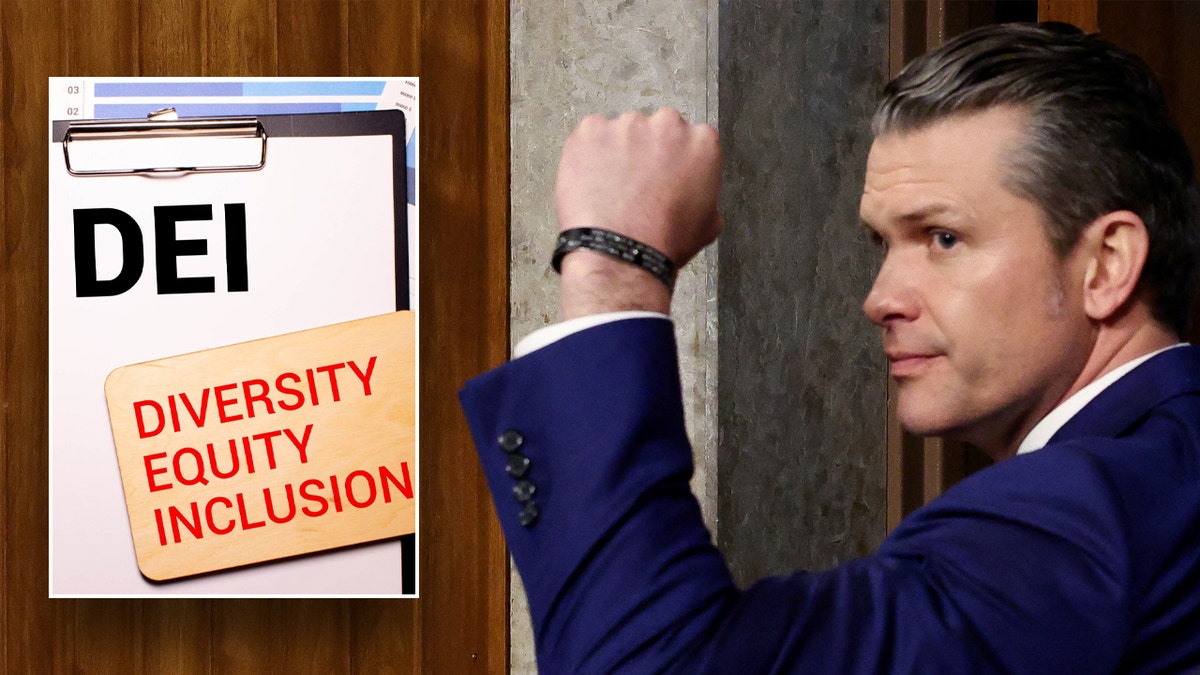
DEI illustration, left; Pete Hegseth right in photo split

Secretary of Defense Pete Hegseth announced he is ending all DEI programs and policies at the Pentagon. (AP Photo/Ben Curtis)

“It’s time to ditch DEI. While other companies right the ship and abandon their illegal, woke policies, Costco has doubled down,” Iowa Attorney General Brenna Bird told Fox News Digital in a statement. “I’m putting Costco on notice to do the right thing and eliminate discriminatory DEI. No American should be denied an opportunity because they don’t fit the woke mold.” 

The Rev. Al Sharpton led a “buy in” at the Harlem Costco in support of the company rejecting a bid that challenged their corporate DEI policies. The MSNBC host said that he and 100 members of his National Action Network shopped at the store Sunday.

DEFENSE SECRETARY PETE HEGSETH SAYS ‘NO MORE DEI AT DEPARTMENT OF DEFENSE’: ‘NO EXCEPTIONS’
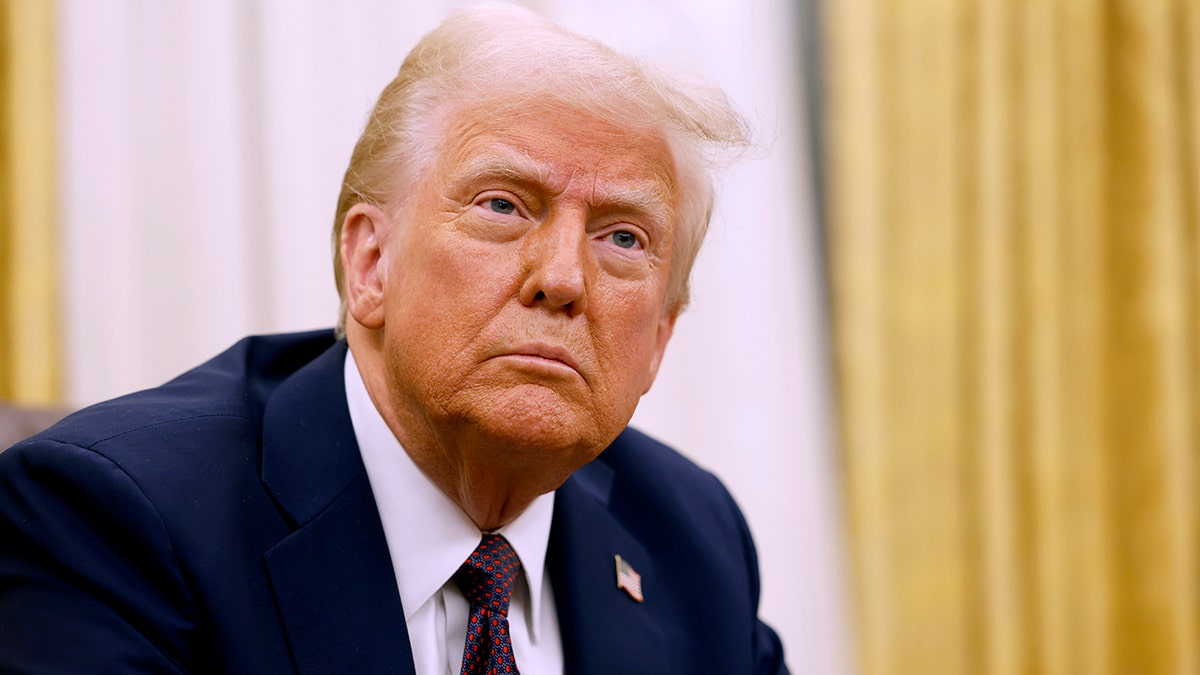
Donald Trump closeup shot

President Donald Trump speaks to reporters after signing a series of executive orders in the Oval Office on Jan. 23, 2025.

“Race-neutral practices, on the other hand, honor the founding ideals of this country,” reads the letter sent to Costco CEO Ron Vachris by the 19 attorneys general. “Now, the federal government is also focusing on ensuring invidious racebased discrimination no longer finds a home in woke corporations.”

The attorneys general want a response within the next 30 days to “either notify us that Costco has repealed its DEI policies or explain why Costco has failed to do so.”

CLICK HERE TO DOWNLOAD THE FOX NEWS APP

Attorneys general from Alabama, Arkansas, Georgia, Idaho, Kentucky, Ohio, Oklahoma, South Carolina, South Dakota, Tennessee, Texas, Virginia, Louisiana, Missouri, Montana, Nebraska and North Dakota also signed the letter.

Fox News Digital reached out to Costco but did not hear back by the time of publication.

Fox News Digital’s David Spector contributed to this report.
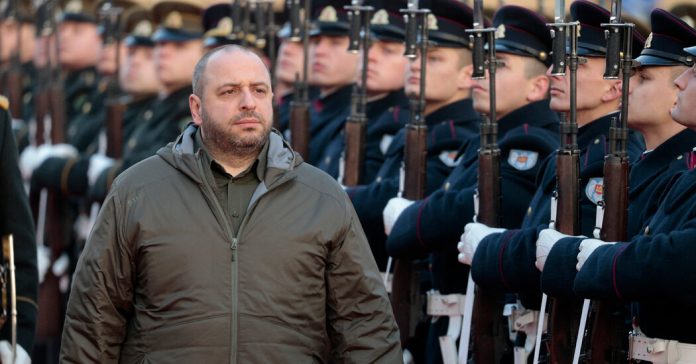
Standoff at Ukrainian Procurement Agency Threatens to Disrupt Weapons Supply

0

A standoff between Ukraine’s defense minister and the official in charge of procuring weapons threatened to escalate on Monday, stirring dissent in the government at a critical time as it seeks to persuade President Trump to maintain American support in its war with Russia.

The dispute erupted three days ago when the minister, Rustem Umerov, said he would not renew the contract of the official, Maryna Bezrukova, citing “unsatisfactory” results. But on Monday, Ms. Bezrukova said she would remain in her position, pointing out that her contract had been renewed by her agency’s supervisory board and that Mr. Umerov had no right to override that decision.

The agency was established to ensure transparency and efficiency in acquiring arms. Activists and some lawmakers, including a prominent one in President Volodymyr Zelensky’s party, denounced Mr. Umerov’s move as an abuse of power undermining anticorruption efforts.

“The minister’s action is a serious offense against our legislation and corporate governance,” Ms. Bezrukova said in an interview over the weekend, calling it an “attack” on the agency’s efforts to cut out questionable intermediaries Ukraine has sometimes relied on to buy weapons during the war.

She reported to her office on Monday, and it was unclear how the standoff would be resolved.

The dispute threatens to weaken an organization that managed over $7 billion in weapons procurement last year and has become a partner for Western allies channeling funds into Ukraine’s growing defense industry — a new initiative aimed at developing an alternative for dwindling arms supplies from the West.

After meeting with government and agency officials in Kyiv on Monday to discuss the standoff, diplomats from the Group of 7 nations urged in a statement that the situation “be resolved expeditiously and focus on keeping defense procurement going.” It said that “consistency with good governance principles and NATO recommendations is important to maintain the trust of the public and international partners.”

The head of the Ukrainian Parliament’s anticorruption committee has called for the defense minister’s resignation, but it seems unlikely that he will resign, as Mr. Zelensky has not offered any criticism so far. Mr. Umerov did not respond to a request for comment.

This is not the first time the Ukrainian government has moved to oust officials with responsibility for reforming state institutions, some of whose efforts have caused internal friction.

But the attempt to dismiss Ms. Bezrukova comes as Ukraine is struggling to send enough weapons to troops at the front trying to fend off the Russian invasion that began in 2022 and faces the risk of losing vital arms supplies from its key ally, the United States. Activists are also concerned that it sends the wrong message to Western partners who have expressed concerns about corruption in Ukraine.

“What minister Umerov is doing is sabotaging our defense capabilities and our ability to keep the trust of our international partners regarding weapons procurement,” said Daria Kaleniuk, the executive director of Ukraine’s Anti-Corruption Action Center, a group dedicated to rooting out public graft that is now focused on war profiteering.

Mr. Umerov said in a post on Facebook that the agency had failed in the “timely supply of ammunition to our army” and had instead become embroiled in “political games, leaks of contracts, and leaks of information.” He did not provide specific examples.

Tamerlan Vahabov, a former adviser to Ms. Bezrukova who resigned last year, has also criticized the agency, saying it had sometimes failed to effectively evaluate contracts. He said the agency leaned too heavily on purchasing from state companies instead of private suppliers.

Ms. Bezrukova was appointed a year ago, after Mr. Umerov took over as defense minister, and promised to root out corruption in the ministry following a series of revelations about mismanaged contracts for weapons and basic supplies such as food.

The main task of Ms. Bezrukova, a former top manager at the national electricity company, was to eliminate intermediaries, often shady arms dealers who were inflating prices. She said the agency had reduced Ukrainian intermediaries’ share of procurements from 81 percent in 2023 to just 12 percent last year. These figures could not be independently verified.

Ms. Bezrukova said her work led to tensions with the ministry. She claimed that defense officials pressured her to sign a contract with a state-owned Ukrainian weapons factory that lacked the workers and gunpowder to produce mortar shells. Many of the shells failed to fire after being sent to the front setting off a major scandal in Ukraine.

Mr. Vahabov said that even if she faced pressure, Ms. Bezrukova should have been more vocal in opposing the contract. He also said that she could have conducted more due diligence controls of production of the weapons at the factory.

Ms. Bezrukova said she had hoped that the creation of a supervisory board at the agency late last year, a move applauded by Western partners, would help safeguard her independence. “I don’t want to be window dressing or a reputational washing machine,” she said in the interview Saturday.

However, a day before the board’s first meeting, on Dec. 17, the defense ministry amended the agency’s charter, effectively granting the ministry final authority over most of the board’s decisions. “They de facto sterilized the board’s authority,” said Yuriy Dzhygyr, the chairman of the board.

After the supervisory board voted last week to extend Ms. Bezrukova’s contract for one year, Mr. Umerov said he would not renew her contract and announced the dismissal of two state representatives on the board, including Mr. Dzhygyr.

Ms. Kaleniuk, the anticorruption activist, said the charter did not grant the defense ministry a say in extending the agency head’s contract. The charter, reviewed by The New York Times, does, however, allow the defense ministry to dismiss any agency official “in the event of identified existing or potential threats to Ukraine’s national security.”

It remains unclear on what legal grounds Mr. Umerov decided to fire Ms. Bezrukova.

On Monday, Ukraine’s National Anti-Corruption Bureau opened an investigation into Mr. Umerov over accusations of abuse of power. The inquiry follows a complaint filed by the Anti-Corruption Action Center, according to a letter from the bureau to the group, which was shared with The Times by Ms. Kaleniuk.

With Western partners unable to supply all the weapons Ukraine needs, the agency has helped enact an initiative that uses Western funds to pay for contracts signed with local arms manufacturers. The defense ministry said that more than half a billion dollars’ worth of weapons were produced through this new mechanism last year.

Whether that will still happen is unclear.

The German Marshall Fund of the United States, a research institution, raised concerns about the Ukrainian infighting.

“This is the worst possible time,” it said in a statement, “for Kyiv to turn back the clock on a defense reform success story: when Ukraine needs additional funding for weapons and cynical opponents in Moscow and in certain quarters of Washington are looking for reasons to cast doubt upon the integrity of Ukrainian defense governance.”

Andrew E. Kramer contributed reporting.

Court lifts ban on Oath Keepers founder visiting D.C., U.S. Capitol : NPR

0

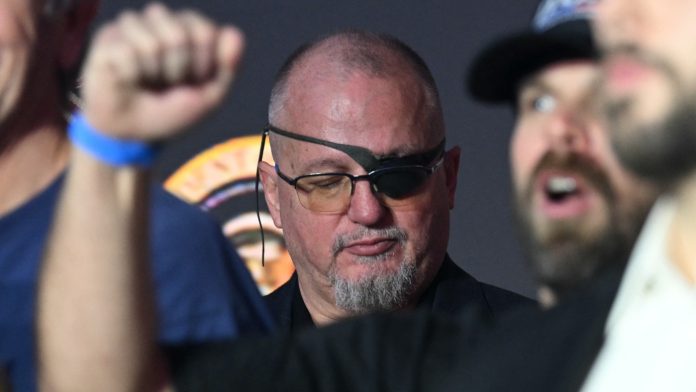
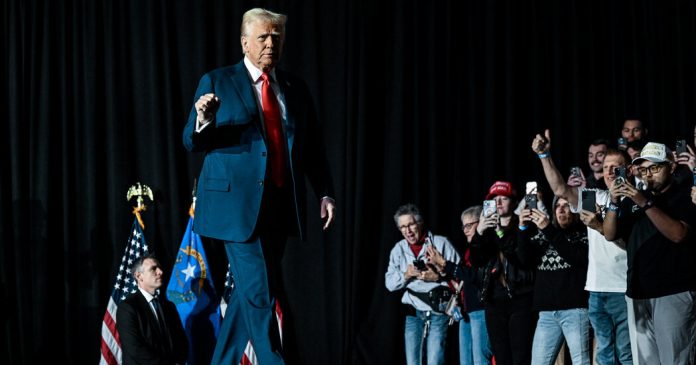
Oath Keepers founder Stewart Rhodes looks on as U.S. President Trump delivers remarks on his policy to end tax on tips in Las Vegas, Nevada, on Jan. 25, 2025.

Mandel Ngan/AFP via Getty Images


hide caption

toggle caption

Mandel Ngan/AFP via Getty Images

A federal judge on Monday lifted travel restrictions imposed last week on the founder of the far-right Oath Keepers extremist group, Stewart Rhodes, that barred him from entering Washington, D.C. and the U.S. Capitol or its grounds without the court’s permission.

Rhodes was convicted of seditious conspiracy and other crimes by a federal jury in 2022 in connection with the attack on the U.S. Capitol on Jan. 6, 2021. He was sentenced to 18 years in prison by U.S. District Judge Amit Mehta, who has called Rhodes a threat to the country and to democracy.

President Trump, in one of his first acts back in office, commuted Rhodes’ sentence to time served as part of the mass clemency for some 1,500 people who took part in the Capitol riot. Rhodes was immediately released from prison upon receiving his commutation, and soon turned up at the U.S. Capitol.

On Friday, Mehta imposed the travel restrictions on Rhodes and seven other Oath Keepers convicted in connection with the Jan. 6 attack. The order changed their conditions of release, barring them from entering Washington, D.C., or the Capitol or its grounds.

That same day, the new Trump-appointed acting U.S. attorney in Washington, D.C., Ed Martin, responded in a court filing that Rhodes was no longer subject to court supervision because of the president’s commutations.

Mehta on Monday tossed out his previous order imposing the location restrictions and explained his reasoning.

In a new order, Mehta said that after Trump’s act of mass clemency, “all relevant actors” moved forward as if the commutations only addressed the defendants’ time in custody and not the terms of their supervised release.

U.S. Probation Offices began supervising defendants, defense counsel moved to change the conditions of release and the Justice Department responded to those requests, Mehta said.

Now, however, Mehta said it was “reasonable” that the Justice Department interpreted Trump’s Jan. 6 commutations to cover the defendants’ prison sentences and wipe away their terms of supervised release.

That reading is further supported, Mehta wrote, by the fact that Trump’s commutation order is unconditional.

“It is not for this court to divine why President Trump commuted Defendants’ sentences, or to assess whether it was sensible to do so,” Mehta’s order said. “The court’s sole task is to determine the act’s effect.”

Fox News Politics Newsletter: Hegseth at the Helm

0

Welcome to the Fox News Politics newsletter, with the latest updates on the Trump administration, exclusive interviews and more Fox News politics content.

Here’s what’s happening…

-Senate slated to vote on Trump’s Treasury Department nominee, Scott Bessent

-Trump’s most vulnerable nominees RFK Jr, Tulsi Gabbard get back-to-back hearings

-After raucous first week in office, Donald Trump to keep his foot on the gas

Hegseth Takes Command

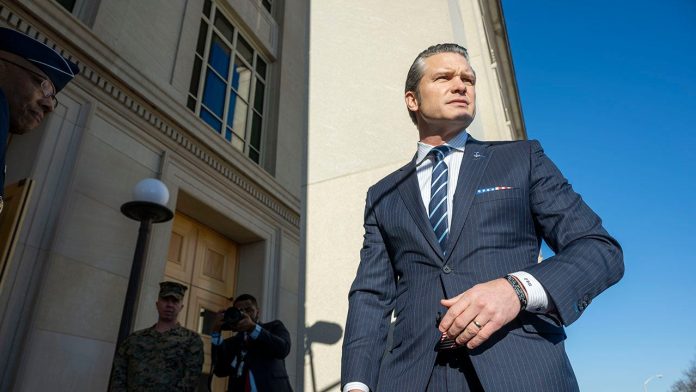
Secretary of Defense Pete Hegseth arrived for his first day at the Pentagon on Monday with a message regarding the Department of Defense’s (DOD’s) mission. 

Greeted by Chairman of the Joint Chiefs of Staff Gen. Charles Q. Brown Jr. and a gaggle of reporters, Hegseth said it was “an honor to serve on behalf of the president and serve on behalf of the country,” adding, “The warfighters are ready to go.” 

Hegseth quickly turned to the border crisis, acknowledging how President Donald Trump was “hitting the ground running” with executive orders declaring an emergency at the southern border and designating cartels foreign terrorist organizations. Hegseth said the DOD “snapped to” last week in sending more troops to aid in erecting barriers along the southern border, as well as to “ensure mass deportations,” adding: “That is something the Defense Department absolutely will continue to do.”…Read more

Defense Secretary Pete Hegseth arrives at the Pentagon, Monday, Jan. 27, 2025 in Washington.  (AP Photo/Kevin Wolf)

White House

‘NO LOYALTY’: Trump order ending birthright citizenship for illegal immigrants is constitutional, expert says…Read more

RIGHTING WRONGS: Trump to reinstate service members discharged for not getting COVID-19 vaccine…Read more

‘TRADITIONAL CONSERVATISM’: How Mike Pence is taking aim at Trump 2.0…Read more

‘READINESS AND LETHALITY’: New Trump order nixes preferred pronouns and restricts transgender facility use…Read more

servicemen with LGBT pride flag, main image; inset: President Trump

Military members holding the LGBT+ community flag, background, and President Donald Trump signing an executive order, right  (20th Air Force/Getty)

BIDEN’S PARDONS: Biden’s controversial pardons shine new light on power, as PA lawmakers take next step to strip Joe’s name…Read more

‘STRUCTURAL CHANGES’: Trump signs executive order aimed at ‘drastically’ improving FEMA efficacy, priorities, competence…Read more

SECOND THOUGHTS: Trump open to considering re-entry into World Health Organization: ‘They’d have to clean it up’…Read more

‘NO FEDERAL FUNDS’: Trump looks to enforce trans inmate crackdown as new acting federal prisons chief tapped…Read more

‘CATASTROPHIC THREAT’: Conservative group’s roadmap shows how Trump can use military to thwart cartels…Read more

left-right split: Mexican national police and donald Trump

Mexican Police doing a routine stop, left, and President Donald Trump boarding Air Force One, right (Getty)

World Stage

FURTHER THE MISSION: Rubio pauses foreign aid from State Dept. and USAID to ensure it puts ‘America First’…Read more

‘DON’T HATE, LOVE’: Intl. Holocaust Remembrance Day: Survivor recounts how mother saved her life, reveals message to UN…Read more

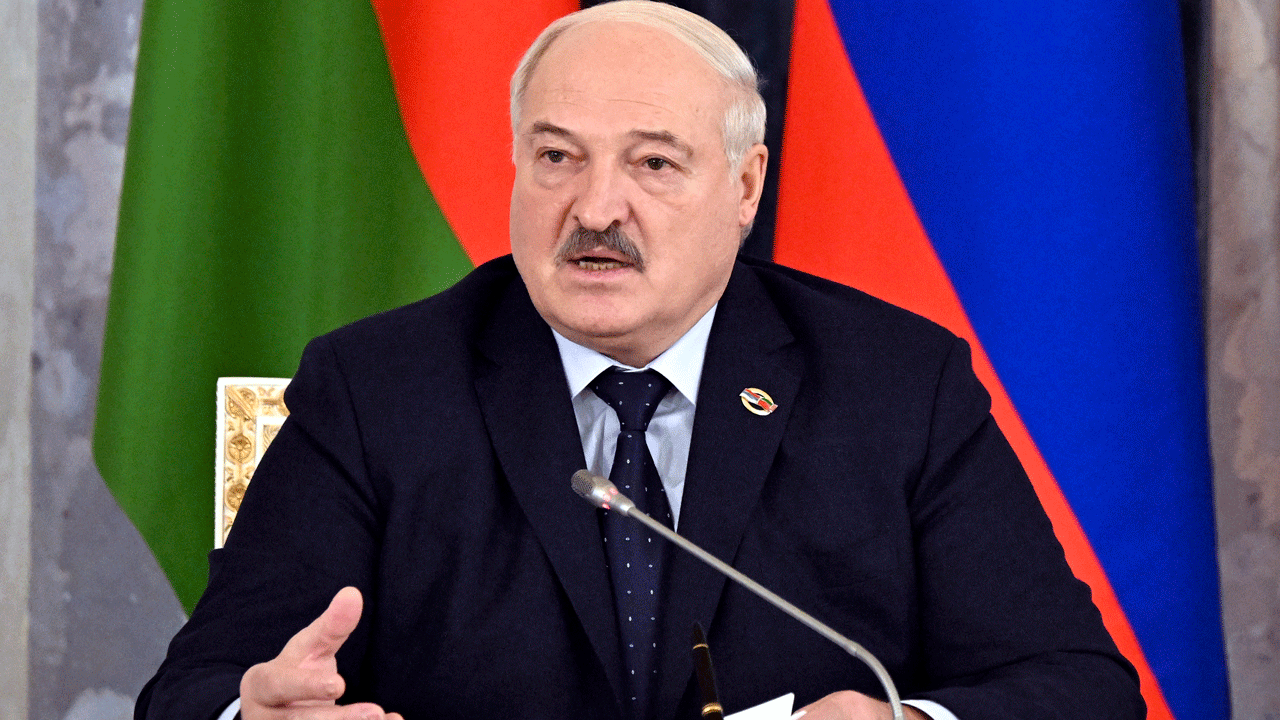
BELARUS: Belarus’ President Lukashenko extends rule after election rejected by opposition, EU…Read more

Alexander Lukashenko, Belarus's president with flag behind him

Belarus President Alexander Lukashenko speaks during a meeting of the Union State Supreme Council with Russian President Vladimir Putin in St. Petersburg, Russia, Monday, Jan. 29, 2024. (Pavel Bednyakov, Sputnik, Kremlin Pool Photo via AP, File)

‘UNILATERALLY RELEASED’: Secretary of State Rubio hails release of US prisoner in Belarus as controversy hangs over nation’s election…Read more

Capitol Hill

‘I LOVE IT’: Ky. Republican says he loves teenage Boy Scout’s policy proposal: Zero tax for workers under 18…Read more

SUNNY FLORIDA: House Republicans fly down to Trump’s backyard for annual working retreat…Read more

Speaker Johnson with other House members

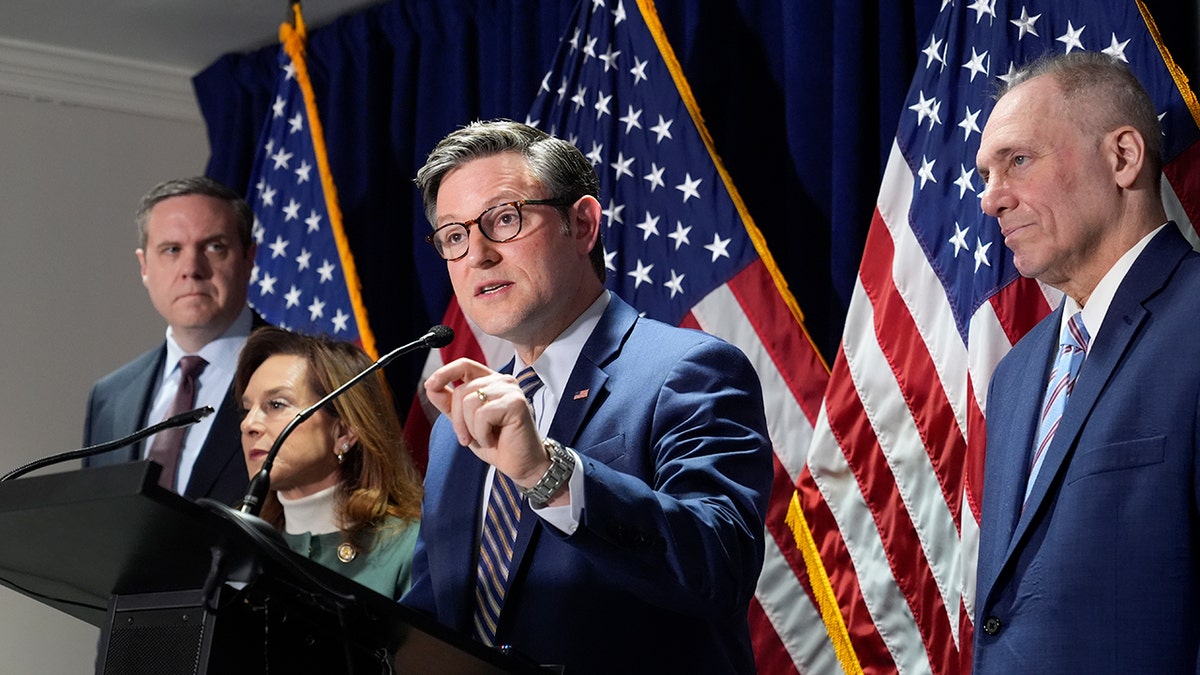
House Speaker Mike Johnson, R-La., center, joined from left by Rep. Jeff Hurd, R-Colo., Republican Conference Chair Lisa McClain, R-Mich., and House Majority Leader Steve Scalise, R-La., during a news conference at the Republican National Committee headquarters in Washington, Wednesday, Jan. 22, 2025. (J. Scott Applewhite/AP)

NOT BUYING IT: AOC roasted over post about Colombia tariffs, coffee prices that ‘aged like hot milk’…Read more

Across America 

‘HE’S GONNA DO SOMETHING’: Trump’s visit to small-town North Carolina brings hope to hurricane survivors who lost everything…Read more

TN BILL: Tennessee lawmaker reintroduces bill to allow veterans, retired cops to work as School Resource Officers…Read more

‘CALIFORNIA IS BROKEN’: Gavin Newsom’s Bay Area ravaged by surging crime as LA burns: ‘It’s a war zone!’…Read more

TRYING AGAIN?: DAs may try to charge Jan. 6 participants granted clemency by Trump with new crimes on state, local levels…Read more

Philly DA, left; Trump at right, US Capitol middle in photo split

A side-by-side photo of Philadelphia District Attorney Larry Krasner, and President Donald Trump. Krasner said his office is looking into bringing state charges against some Jan. 6 rioters pardoned by Trump. (Getty)

UNCONDITIONAL SUPPORT: Cali Rep. Chu says ‘wildfires have no political affiliations’ after Trump floated conditions for federal aid…Read more

SHUTTING IT DOWN: ICE arrests nearly 1,000 illegal aliens during sixth day of Trump administration…Read more

NOT FORGOTTEN: JD Vance ‘fulfilling his promise’ with first trip as vice president to hurricane-damaged Virginia town…Read more

‘MALICIOUS COMPLIANCE’: Air Force reinstates Tuskegee Airmen training following backlash from Pete Hegseth and Katie Britt…Read more

Tuskegee Airmen on tarmac by vintage plane

Tuskegee Airmen pilots (from L) Lt. Colonel Washington Ross, Lt. Col. Harry Stewart, Colonel Charles McGee and Lt. Col. Alexander Jefferson stand next to a Tuskegee Army Airfield AY-6 Texan fighter plane during a ceremony to honor the airmen at Selfridge National Airbase in Harrison Township, Michigan June 19, 2012. The Tuskegee Airmen were the first African-American pilots that flew combat in World War II.   REUTERS/Rebecca Cook  (UNITED STATES – Tags: SOCIETY MILITARY)

VANCE POWER PLAY: Top JD Vance political advisors to steer Ramaswamy run for Ohio governor…Read more

SINALOA CARTEL ARREST: Member arrested by ICE in Texas…Read more

Get the latest updates on the Trump administration and Congress, exclusive interviews and more on FoxNews.com.

Behind the Colombia Blowup: Mapping Trump’s Rapid-Escalation Tactics

0

In the end it took only about 12 hours for President Trump’s first head-to-head confrontation with one of the United States’ closest allies in Latin America, a blowup over Colombia’s rejection of U.S. military flights to return illegal immigrants, to result in a complete retreat by the target of Mr. Trump’s threats.

It wasn’t much of a contest. Colombia depends on the United States for more than a quarter of its exports. And while the specifics of the dispute will probably be quickly forgotten, the rapid-fire threat by Mr. Trump to impose crushing tariffs, and the quick surrender by President Gustavo Petro, are likely to encourage Mr. Trump as he contemplates how to make use of the same weapon against new targets.

There is little mystery about whom he has in mind: Denmark, whose prime minister told him Greenland was not for sale during a heated, expletive-filled conversation almost two weeks ago, and Panama, where Secretary of State Marco Rubio is supposed to land in a few days to demand it return control of the Panama Canal to the United States — the country that built it, 120 years ago.

Welcome to the age of what Fred Kempe, the president of the Atlantic Council, a Washington think tank, characterized as the era of “more mercantilism, less free trade and more big-power swagger.”

The Sunday diplomatic debacle with Colombia had elements of all three. But it was also instructive about how foreign-policy decision-making in the Trump White House happens: There were no policy papers, or Situation Room meetings to weigh options, or talk of a quiet mission to de-escalate tensions with an ally whose cooperation America needs on a variety of problems. That would be how a dispute over returning Colombians, deported because they were in the United States illegally, would be resolved in an ordinary presidency, whether the president was a Democrat or Republican.

In this case, perhaps there wasn’t much need for internal debate: Colombia is not China, or Russia, or even North Korea and Iran, all countries that have ways to strike back at the United States or its interests. So it was an easy target — and a relatively cost-free place for Mr. Trump to make a point about how he envisions the use of American power.

There was no such process in this case — and no time for such a process. It unfolded first on social media, with an angry post by Mr. Petro declaring that he would not allow the United States to land military aircraft in his country bearing shackled Colombian returnees. “I cannot make migrants stay in a country that does not want them,” Mr. Petro wrote, “but if that country sends them back, it should be with dignity and respect for them and for our country.”

Mr. Trump shot back on Truth Social — where he puts pronouncements before they are released by the White House press office (which catches up by citing the Truth Social posts) — demanding that Mr. Petro get out of his way or watch his economy be crushed. He vowed to impose 25 percent tariffs on Colombian exports right away, which would obviously affect the crude oil, coal and coffee industries. The tariffs would double if Mr. Petro didn’t fold on the issue within a week, Mr. Trump said. For good measure he called the Colombian president a “socialist,” which Mr. Petro would freely admit.

What happened next was fascinating: Mr. Petro briefly fought back, announcing his own tariffs on American imports and accusing Mr. Trump of trying to topple his democratically elected government. “You don’t like our freedom, fine,” Mr. Petro wrote. “I do not shake hands with white enslavers.”

There was a lot of history here, of course. One hundred twenty-two years ago, the United States supported a Panamanian revolution against Colombia, knowing it would speed the way to building the canal. It is an era Mr. Trump keeps talking about wistfully.

Presumably, Mr. Petro looked at his chances of coming out on top of this conflict and decided it was zero. And he quickly decided his best course was to get out of Mr. Trump’s way. The military flights could resume, his foreign ministry announced. There were more words about demanding that the passengers be treated with dignity, but clearly that was not enforceable. The United States suspended the tariff increases before they happened, and Mr. Rubio said that visa restrictions on Colombian leadership would remain until the planes actually landed.

So when the day was over, not much had changed. Mr. Petro had turned away some flights, Mr. Trump had threatened retaliation, Mr. Petro had folded, and the status quo had largely resumed.

But to anyone trying to figure out the next moves on the part of the Trump administration, there were a lot of indicators in this blowup about where things may be headed.

Start with Denmark, whose prime minister, Mette Frederiksen, had a fraught, aggressive conversation with Mr. Trump just five days before he was inaugurated. Having heard his threat that he might use military or economic coercion to get his way on Greenland and the Panama Canal, she opened with ideas about how the United States could expand its existing military presence in Greenland — there is a Space Force base there — and help exploit its considerable mineral resources. Mr. Trump wasn’t interested in cooperation; he wanted control, perhaps ownership, and seemed happy to encourage a movement in Greenland to seek independence from Denmark to get there.

It was a remarkable exchange. Denmark is, after all, a NATO ally, and over the past month Mr. Trump has talked about using all the elements of American power — economic and military — to reach the goal of forcing it to surrender territory. If ever there was an example of how Mr. Trump is uninterested in maintaining the post-World War II “rules-based order” and replacing it with superpower politics, this was it.

Denmark “would have been eager to negotiate with the Americans on basing rights, resource development, Arctic security coordination and whatever else the Trump Administration wanted,” Ian Bremmer, who heads the Eurasia Group consultancy, wrote on Monday morning. “It’s now more likely that Greenland will vote for independence in an upcoming referendum, creating its own security deal with the Americans, critically undermining U.S. relations with Denmark and, with it, the Nordic Bloc.”

And then there is Panama, getting ready to receive Mr. Rubio. Usually a secretary of state’s first visit is all about reaffirming alliances and looking forward to years of cooperation. Mr. Rubio’s arrival will probably include some of that — and a demand that the Panama Canal Treaty be scrapped and the arrangement go back to what Theodore Roosevelt had in mind in 1903: American control.

Selena Gomez posts, then deletes video denouncing Trump’s ICE deportations

0

Actress and singer Selena Gomez shared and then deleted a video of her crying about ICE deportations and expressing her wish she could “do something.”

Over the first weekend of President Donald Trump’s second term, federal agents from Immigration and Customs Enforcement (ICE) and their partners conducted nationwide roundups of more than 1,200 illegal immigrants who were charged or convicted with committing crimes on American soil.

The American-born “Only Murders in the Building” star posted a video to her Instagram story with a caption of “I’m sorry” along with a Mexican flag emoji.

MSNBC ANCHOR CORRECTS HER CORRESPONDENT ON-AIR: THEY’RE ‘UNDOCUMENTED IMMIGRANTS’

Selena Gomez has spoken extensively about how illegal immigration has shaped her own family history. (Getty Images)

“All my people are getting attacked, the children. I don’t understand,” she said while crying. “I’m so sorry, I wish I could do something, but I can’t. I don’t know what to do. I’ll try everything, I promise.”

She deleted the video shortly afterward, and according to a purported screenshot, posted another, now-deleted Instagram story simply with a caption saying, “Apparently it’s not okay to show empathy for people.”

The video was widely mocked across social media, such as by talk show host Piers Morgan, who wrote, “Posting yourself weeping over illegal immigrant criminals being deported is a new level of absurd celebrity narcissism.”

The actress has spoken about illegal immigration before, and executive produced a Netflix documentary series about illegal immigrants called “Living Undocumented.”

TRUMP’S ICE NABS CHILD SEX OFFENDERS AMONG 530+ ILLEGAL IMMIGRANTS CAUGHT IN SINGLE DAY

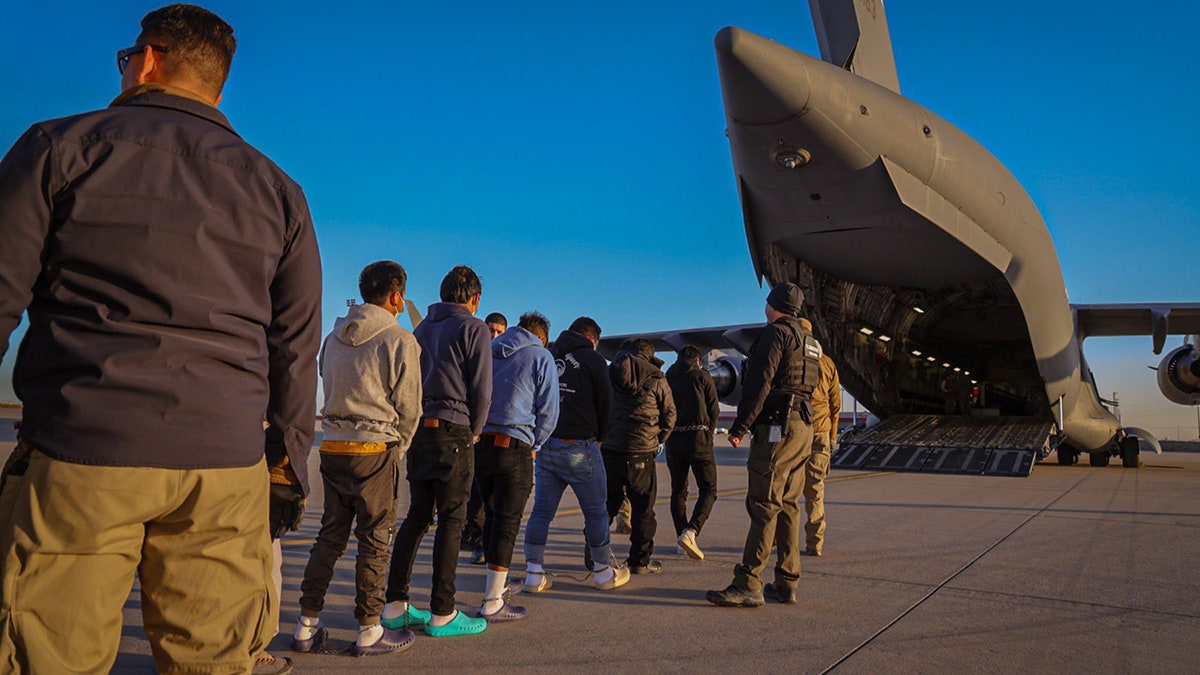
Deportation flight out of U.S.

White House Press Secretary Karoline Leavitt released this image, writing on X that “deportation flights have begun.” A Mississippi lawmaker is proposing paying bounty hunters to help deport illegal immigrants.  (White House)

In a 2019 Time Magazine interview, Gomez spoke about how illegal immigration helped shape her own family’s story. 

“In the 1970s, my aunt crossed the border from Mexico to the United States hidden in the back of a truck,” she said. “My grandparents followed, and my father was born in Texas soon after. In 1992, I was born a U.S. citizen thanks to their bravery and sacrifice.”

CLICK HERE TO GET THE FOX NEWS APP

She later told the outlet, “Over the past four decades, members of my family have worked hard to gain United States citizenship. Undocumented immigration is an issue I think about every day, and I never forget how blessed I am to have been born in this country thanks to my family and the grace of circumstance. But when I read the news headlines or see debates about immigration rage on social media, I feel afraid for those in similar situations. I feel afraid for my country.”

Fox News’ Michael Ruiz contributed to this report.

‘Firewall’ Around the Far Right Wobbles in Germany

0

The man who is favored to be Germany’s next chancellor has opened the door to working with the Alternative for Germany to pass tough new immigration restrictions, potentially breaking a longstanding effort to shun a party whose flirtation with Nazi language has made it anathema to the political mainstream.

The opening by Friedrich Merz, the leader of the center-right Christian Democrats, who leads in the polls for the chancellor election next month, came after a knife attack last week in Bavaria by a mentally ill Afghan immigrant that killed two people, including a toddler.

The attack, the latest in a string of high-profile killings carried out by immigrants, has since upended Germany’s parliamentary election, set for Feb. 23, refocusing what had been an economy-themed campaign toward the contentious issue of migration.

Mr. Merz is trying to show voters that he and his party are serious about tightening Germany’s borders and following through on deportations of migrants whom authorities have determined should leave the country.

But until now, all parties at the national level had built what is colloquially known as a “firewall” around the AfD, hoping to blunt the party’s move into the mainstream.

The AfD is currently running second in polls before the election, sitting comfortably ahead of Chancellor Olaf Scholz’s Social Democrats, though well behind Mr. Merz’s Christian Democrats.

Migration concerns have risen in Germany, where millions of refugees and other migrants have arrived in the last decade, largely from Syria and Ukraine. The AfD has made promises of border crackdowns and deportations of some migrants a centerpiece of its pitch to voters.

Other parties, including the CDU and Social Democrats, have promised new migration restrictions, particularly after a Syrian immigrant killed three people last summer in a stabbing attack in the city of Solingen.

But until last week, those mainstream parties had campaigned more heavily on promised fixes to Germany’s stagnating economy than on migration policy. The Bavarian attacks changed that script.

Mr. Merz has pushed in recent days to force a vote in Parliament over migration legislation. The plan would bring permanent border patrols, would stop anyone from entering the country without legal papers and place in custody all migrants who have been ordered to leave the country.

The legislation could pass on the strength of votes from the AfD, forming a partnership that mainstream German political parties have long treated as taboo, and drawing fierce criticism from other mainstream political leaders.

“Friedrich Merz is willing to make common cause with the AfD,” Lars Klingbeil, the co-leader of Mr. Scholz’ Social Democratic party, told the Rheinische Post, a regional daily newspaper. “In doing so, he is abandoning the CDU’s previous principles in its dealings with the AfD, splitting the democratic center of our country and alienating our European partners,” he added.

Mr. Merz defended his plan to support the restrictions.

“What is right in principle is not made wrong by the fact that the wrong people vote for it,” he said Monday.

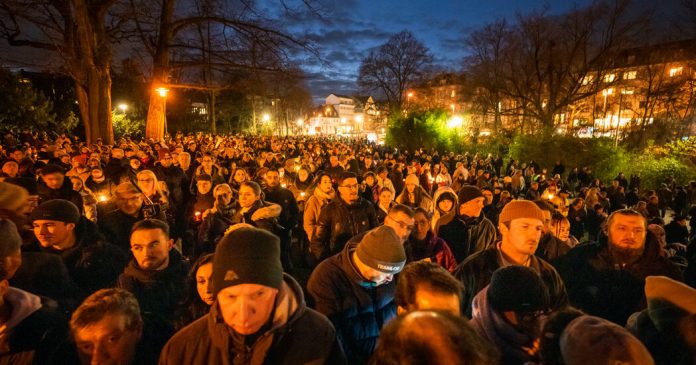
The 28-year-old Afghan immigrant, whom German media outlets have identified as Enamullah O., attacked and killed a two-year-old Moroccan boy with a large kitchen knife. The boy and his friends, as well as their minders, were on a preschool outing in the park in Aschaffenburg, a quaint town in the state of Bavaria, close to Frankfurt. A bystander who attempted to stop the attacker was also killed. One of the teachers and a 61-year-old man were hurt.

The man suspected in the attack, who lived in asylum housing nearby, has been remanded to a closed psychiatric ward, authorities have said.

The seemingly random killings galvanized the country in ways similar to other attacks last year. Last May, a refugee from Afghanistan attacked a far-right demonstration, injuring five and killing a police officer. In December, a man who had immigrated from Saudi Arabia decades earlier drove into a Christmas market, killing 5 and injuring hundreds.

Some officials urged caution in response. Jürgen Herzing, the mayor of Aschaffenburg, a town of nearly 80,000 inhabitants, warned that despite “parallels” with other recent attacks, people should refrain from acts of revenge.

“We cannot and must not blame an entire population group for the actions of an individual,” Mr. Herzing said.

But political leaders were swift to call for action, most notably those with the AfD.

“The Aschaffenburg knife murders must lead to a change in asylum policy: dangerous asylum seekers are to be deported,” Tino Chrupalla, one of the two party leaders of the AfD, wrote in a post on social media just hours after the news broke.

Mr. Scholz issued a statement calling the killing an “unfathomable act of terror.” But he stopped short of visiting the site of the crime, as he did after other similar attacks.

A version of the bill that Mr. Merz is expected to bring to Parliament contains a paragraph criticizing the AfD for seizing on problems associated with “massive illegal migration” to promote xenophobia.

But despite earlier assurances that under his watch his Christian Democratic Party would never rely on the AfD for votes, Mr. Merz did not rule out doing so in this case.

“I don’t look to the right or the left. I just look straight ahead on these issues,” he said last week.

The AfD celebrated Mr. Merz’s announcement, implying that the legislation is little more than a copy of what the AfD has demanded.

“The firewall has fallen! The CDU and CSU have accepted my offer to vote together with the AfD in the Bundestag on the crucial issue of migration,” the AfD’s chancellor candidate, Alice Weidel, wrote in a post on X.

“This is good news for our country!” she added.

Elon Musk urges German far-right party to overcome ‘past guilt’ : NPR

0

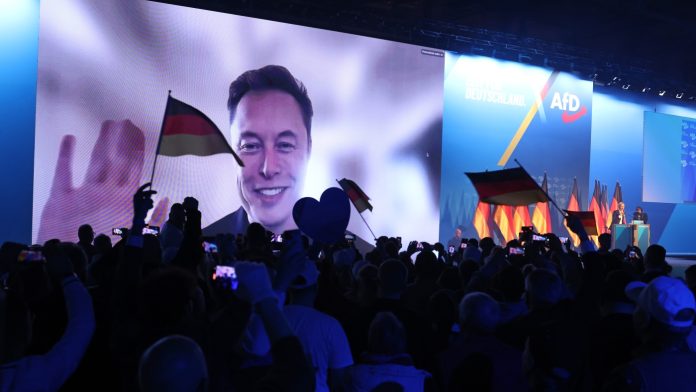
Elon Musk made a surprise virtual appearance at a campaign rally for the far-right Alternative for Germany (AfD) political party in Halle, Germany, on Saturday.

Sean Gallup/Getty Images


hide caption

toggle caption

Sean Gallup/Getty Images

Fresh off a controversy over a gesture many saw as a Nazi salute, tech billionaire Elon Musk appeared virtually at a campaign event for a far-right German political party on Saturday, where he urged listeners not to be ashamed of their country’s history.

Musk — the head of President Trump’s Department of Government Efficiency — was met with roars of applause from the more than 4,000 attendees gathered in the German city of Halle as he appeared on screen at a rally for the Alternative für Deutschland (AfD) party.

“I think you really are the best hope for Germany,” Musk told them.

Musk was introduced by party co-leader and chancellor candidate Alice Weidel, whom he endorsed and praised effusively during a more than hour-long conversation live-streamed earlier this month on X, the social media platform he owns.

Since Germany’s president dissolved parliament in December, he has accused Musk of trying to interfere in Germany’s national elections, which are scheduled for Feb. 23.

Musk, the world’s richest man, has waded into politics in other European countries, throwing his support behind far-right leaders such as Italian Prime Minister Giorgia Meloni and trolling Britain’s center-left government.

On Saturday, Musk spoke repeatedly about the importance of Germans taking pride in their heritage.

“It’s good to be proud of German culture and German values, and not to lose that in some sort of multiculturalism that dilutes everything,” Musk said.

Then, in an apparent reference to the Nazi era, Musk added that there is “frankly too much of a focus on past guilt and we need to move beyond that.”

“Children should not be guilty of the sins of their parents, let alone their parents, their great-grandparents,” he said as the crowd applauded.

Musk’s comments came two days before International Holocaust Remembrance Day — this year marking the 80th anniversary of the liberation of Auschwitz — and less than a week after he twice made straight-armed gestures at a Trump inauguration event, which many viewers interpreted as Nazi salutes.

As debate over Musk’s movements and intentions ensued last week, he responded with a series of Nazi-themed puns in a post on X. He’s now facing a fresh round of criticism from Jewish leaders and Western politicians for his comments over the weekend.

Musk did not immediately respond after NPR reached out for comment.

Abraham Foxman, director emeritus of the Anti-Defamation League (ADL), wrote in a tweet that Musk’s speech “helps place the hand gesture in perspective.” While the ADL downplayed Musk’s motion as an “awkward gesture” last week, Foxman disagreed, referring to it as a Nazi salute and “very disconcerting image.”

“The words we heard from the main actors of the AfD rally about ‘Great Germany’ and ‘the need to forget German guilt for Nazi crimes’ sounded all too familiar and ominous,” tweeted Polish Prime Minister Donald Tusk. “Especially only hours before the anniversary of the liberation of Auschwitz.”

Musk’s critics say Holocaust remembrance is about responsibility, not guilt 

The Holocaust — during which Nazis murdered 6 million European Jews — remains a highly sensitive subject in Germany.

Its government has gone to great lengths to preserve and confront that history, including through thousands of memorials and museums, mandatory school curricula and strict laws prohibiting Holocaust denial and dissemination of Nazi propaganda.

Many of Musk’s critics described his comments about “past guilt” as being at odds with Holocaust remembrance.

“Contrary to [Musk’s] advice, the remembrance and acknowledgement of the dark past of the country and its people should be central in shaping the German society,” tweeted Dani Dayan, the chair of Yad Vashem, the World Holocaust Remembrance Center located in Israel. “Failing to do so is an insult to the victims of Nazism and a clear danger to the democratic future of Germany.”

The ADL reiterated that message, adding that Holocaust remembrance is about education, commemoration and historical responsibility, not “guilting or shaming today’s Germany.”

Others drew an even more direct line between Holocaust remembrance and modern German politics — which, in September, saw AfD become the first far-right party to win a state election since the Nazi era.

“Yes there is an historic guilt, not an individual one, but there is an individual responsibility for learning from history,” Miguel Berger, Germany’s ambassador to the U.K., told BBC Radio 4. “And learning from history means not only that we have to keep the memory alive, but that we have to stand up for rule of law against populism, against extremism.”

The AfD’s extreme views have alienated many in Germany

People gather to protest against the far-right Alternative for Germany, or AfD party, and right-wing extremism in front of the Brandenburg Gate in Berlin on Saturday.

People gather to protest against the far-right Alternative for Germany, or AfD party, and right-wing extremism in front of the Brandenburg Gate in Berlin on Saturday.

Ebrahim Noroozi/AP


hide caption

toggle caption

Ebrahim Noroozi/AP

The AfD has gained ground in German politics despite considerable controversy.

It was founded in 2013 as an anti-European Union party, but has since radicalized into a nationalist, anti-immigrant party that aims “to eliminate the free democratic basic order,” the ADL says, citing a 2023 report by the German Institute for Human Rights.

Germany’s domestic intelligence agency has put the party under surveillance, labeled it as “suspected extremist” in 2021, and classified its youth wing as extremist in 2023. A court upheld those designations last year.

The party’s leaders in various German states have been accused of trivializing the Holocaust, from staging a walkout during a 2019 memorial service to repeatedly using banned Nazi slogans to posting campaign flyers designed as “deportation tickets” ahead of February’s election.

While AfD is polling in second place, the other mainstream political parties refuse to govern in coalition with the party because of its extreme views. Many German voters have expressed their opposition as well.

On Saturday, the same day Musk spoke at the rally, tens of thousands of people took to the streets in Berlin and other German cities to protest the rise of the AfD and far-right in general.

ICE arrests Sinaloa cartel member carrying weapons, ammo: sources

0

A member of the Sinaloa cartel was arrested in Texas by U.S. Immigrations and Customs Enforcement (ICE) over the weekend and was found to be carrying three rifles, two pistols and more than 3,000 rounds of ammunition, sources tell Fox News. 

The individual — who is from Mexico — was taken into custody in El Paso, the sources added. Across the U.S., ICE operations this past weekend resulted in more than 1,000 arrests.

The head of the Drug Enforcement Administration (DEA) said last year that the U.S. is facing the “most dangerous and deadly drug crisis” in its history with fentanyl and methamphetamine flowing across the border — and that the “Sinaloa and Jalisco Cartels are at the heart of this crisis.” 

“They operate clandestine labs in Mexico where they manufacture these drugs and then utilize their vast distribution networks to transport the drugs into the United States,” DEA Administrator Anne Milgram wrote in her agency’s annual National Drug Threat Assessment.

CONSERVATIVE GROUP’S ROADMAP SHOWS HOW TRUMP CAN USE MILITARY TO THWART CARTELS 

Pistols, rifles and ammunition found over the weekend following ICE’s arrest of a Sinaloa cartel member in El Paso, Texas, sources say.

“The Sinaloa Cartel also uses border tunnels to cross drugs into the United States undetected,” she added. “Most of the tunnels are not built by the cartel but are part of the border cities’ sewage and water systems.” 

DR. PHIL JOINS ICE TEAM AND BORDER CZAR TOM HOMAN FOR CHICAGO DEPORTATION OPERATIONS 

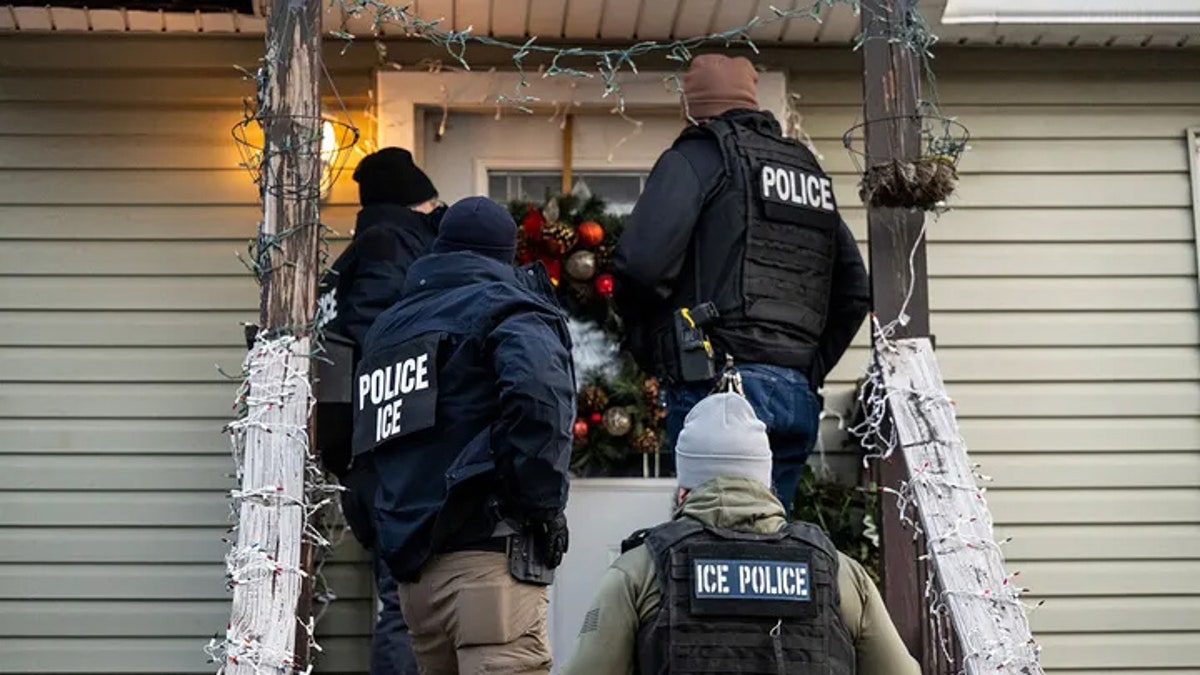
ICE operation in Chicago

ICE agents knock on the door of a residence during a multi-agency targeted enforcement operation in Chicago, Ill., on Sunday, Jan. 26. (Christopher Dilts/Bloomberg via Getty Images)

Last week, alleged Sinaloa cartel cell leader Octavio Leal-Hernandez, who “is believed responsible for trafficking large amounts of methamphetamine, cocaine, heroin and marijuana into the United States from Mexico,” entered a not guilty plea during a federal court appearance following his extradition from Mexico, the U.S. Attorney’s Office for the Southern District of California said. 

The alleged Sinaloa member’s arrest in El Paso comes as reports are also emerging that the Trump administration is pushing ICE to increase the number of arrests per day from a few hundred to between at least 1,200 to 1,500 people.  

ICE agent in Chicago

An ICE agent waits in a vehicle during a multi-agency targeted enforcement operation in Chicago, Ill., on Sunday. (Christopher Dilts/Bloomberg via Getty Images)

CLICK HERE TO GET THE FOX NEWS APP 

Citing four sources who spoke on condition of anonymity about a purported internal call with ICE officials on Saturday, The Washington Post first reported about the new objective, categorizing the 1,200 to 1,500 daily targets as “quotas,” although a spokesperson for the Department of Homeland Security told Fox News, “Goals is the correct phrasing.” 

Fox News’ Danielle Wallace contributed to this report. 
New Zealand Loosens Visitor Visas to Court Remote Workers

0

New Zealand relaxed its visa requirements for remote workers on Monday, as the country looked to spur economic growth by courting “digital nomads,” the skilled professionals who can work from anywhere in the world that has an internet connection.

With the new policy, a New Zealand visitor visa, which allows foreigners to remain for up to nine months, now also permits them to work for overseas employers during that time, which had been forbidden. The visitor visa still does not allow people to work for New Zealand employers, so “they won’t be competing for Kiwi jobs,” said Nicola Willis, the finance minister.

“The visa will open the doors to a whole new category of visitors,” she told reporters. “The government’s ambition is that new visa rules will put New Zealand boldly on the map as a welcoming haven for the world’s talent,” she added.

The visa change follows a difficult economic period for New Zealand, whose economy sank into recession in the third quarter of 2024.

Ms. Willis presented the new visa rules as a strategy to shift New Zealand “onto a faster growth track,” and said that advertising campaigns will specifically target skilled tech workers from the United States and East Asia. The government hopes to draw the interest not only of those workers, but also of their companies.

“We want more of the world’s wealthy and super-talented people,” she said.

The number of people working remotely full-time — either within their own countries or internationally — boomed during the coronavirus pandemic and has continued to rise since then. Digital nomads tend to have higher incomes, which translates into spending on stores, restaurants and lodging.

Despite its remoteness — more than 6,000 miles from the mainland United States and more than 1,000 miles from Australia — New Zealand, a country of just 5.2 million people, is a popular travel destination.

About 200,000 people work in the tourism industry in New Zealand, and in the year ending in March 2024, international visitors spent about $6.3 billion in the country.

“The new visa will also enable more visitors to New Zealand to extend their stays,” Ms. Willis said, adding, “Those longer stays mean more income for local businesses.”

There are some catches. Officials said that digital nomads who stay for longer than 90 days could face an added tax burden. And a worker in New Zealand would likely have to keep strange hours to be in meetings with colleagues in Europe or the United States.

The remote work visa rules are simpler than those in many other countries. Erica Stanford, the immigration minister, noted that other countries have specific visas for remote workers, while New Zealand now lets anyone on a visitor visa be a digital nomad.

New Zealand has a long history of carefully controlling immigration, and even as it tries to attract affluent remote workers for limited stays, it moved in April to tighten work visas for low-skilled workers seeking to move to and work in New Zealand. It introduced an English language requirement, among others.