Thursday, November 12, 2026
Home Blog Page 409

On the Run, a Hit Man Gives One Last Confession

0

There are, the hit man said, many ways to kill.

A string tied between two sticks strangles with a tug of the wrists. A butcher’s blade, long and thin, slices into the heart.

Edgar Matobato said he fed a man to a crocodile, but only once. Mostly, he said, he ended people’s lives with a trusted weapon: his .45-caliber Colt M1911 pistol.

“For almost 24 years, I killed and disposed of many bodies,” Mr. Matobato said of his time with a death squad in Davao City, in the southern Philippines. “I am trying to remember, but I cannot remember everyone.”

“I’m sorry,” he added.

We were sitting in the outdoor kitchen of Mr. Matobato’s secret refuge in the Philippines. A fierce rain sent water skittering into the room. Mosquitoes followed. He slapped one dead, its body oozing someone else’s blood.

Mr. Matobato was in hiding. He has been for a decade, ever since he confessed to his crimes and divulged who ordered the bloodletting: Rodrigo Duterte, the mayor of Davao City, who later became president of the Philippines.

Mr. Matobato, now 65, says he killed more than 50 people for the man he called “Superman,” pulling in a salary from City Hall of a little more than $100 a month and receiving envelopes of cash for successful hits. He rarely hid his identity as he kidnapped and killed, he said, because working for the mayor gave him impunity.

Mr. Matobato knew that breaking the omertà of what came to be known as the Davao Death Squad made him a marked man. He was given sanctuary by priests and politicians, who hoped his confessions might be used to one day hold his former boss to account.

When I first met him last year, Mr. Matobato was waiting for the International Criminal Court, or I.C.C., to take him as a witness in its inquiry into whether Mr. Duterte committed crimes against humanity. In 2018, international prosecutors began investigating Mr. Duterte, who was president from 2016 to 2022, for overseeing extrajudicial killings, in Davao City and later across the Philippines, he justified as part of a law-and-order campaign against illegal drugs and other societal ills. No exact tally exists of how many people were victims of his drug war — a killing spree that included far more than drug pushers and petty criminals — but low estimates are at 20,000.

By the time we met, Mr. Matobato had a new name and a new job shearing sheep and feeding chickens — no killing anymore, he said. At least two other members of the Davao Death Squad had already made their way overseas to be witnesses for the I.C.C. He was aching for his chance, too.

His declining health added urgency. Though Mr. Matobato cannot read, he understood the irregular jags of his electrocardiogram, signs of a troubled heart.

For people in the Philippines who are keen to bring Mr. Duterte to account, the testimony of hit men like Mr. Matobato is crucial. But they also recognize that granting these killers any kind of legal protection, much less forgiveness, is a necessary evil.

While another former hit man says he secured immunity in exchange for his testimony at the I.C.C., Mr. Matobato told me he was not seeking the same. If the I.C.C. wanted to punish him for the killings he had committed, so be it.

“For almost 24 years, I killed for Duterte — 24 years, 24 years,” Mr. Matobato said, repeating the number like a mantra.

“I will face what I did,” Mr. Matobato said. “But Duterte, he must be punished by the court and by God.” He just hoped his recounting of his crimes would lead the former president to prison.

At 5 feet 2 inches, Mr. Matobato is used to being underestimated. He grew up poor, his father killed by Communist rebels, he said. Barely able to write his own name, he worked as a security guard before a policeman offered him the chance in 1988 to join a group of enforcers cleaning up a crime-ridden city.

Their corps was eventually called the Heinous Crimes Unit. Mr. Matobato said he was a “force multiplier,” a low-ranking hit man often drawn from the ranks of security guards or dropouts from rebel militias.

“This is no joke,” Mr. Matobato said. “I may be small, but I know how to kill very well.”

Over many months, I checked hundreds of details in Mr. Matobato’s recollections with testimony from several others who said they had also been members of the Davao Death Squad. While there were small points of divergence, the vast bulk of their memories matched.

The Duterte Death Squad developed its own code and methods. “Trabajo” meant a hit. A towel emblazoned with the words “good morning” hanging over the shoulder of a spotter would signal the positioning of the target to be killed. Brown packing tape kept the victims’ screams from posing a distraction.

The men often worked at the Laud quarry, on the outskirts of Davao City, each cave and hideaway swathed in tropical green. There, the squad dismembered and buried hundreds of bodies over a quarter-century, according to statements from five men who said they were members of the group. Mr. Duterte sometimes presided over the torture, executions and grave digging, they said.

Mr. Matobato said that at the quarry, which was owned by a policeman who was a founding member of the Davao Death Squad, he specialized in body disposal. He grew practiced at the geometry of butchery, turning a human into a package of flesh and bones fit for a compact burial space. It was also important, he said, that the corpses not be easily identifiable.

Mr. Matobato said he would slice through the thorax, remove the vital organs and lop the limbs. Then he would cut off the head and place it in the cavity the innards had occupied. He would pour engine oil over the butchered body to stanch the smell.

Cutting off the ears, he said, was for no real reason. But once he started, it was sometimes hard to stop.

“Yes, ma’am,” Mr. Matobato told me, his hand mimicking each motion of dismemberment. “I was very good at chop-chop.”

After busy days at the quarry, Mr. Matobato and the other hit men would often drive to the Vista View restaurant. They took over a favored cabaña overlooking the Laud quarry. They feasted on seafood and halo-halo, a kind of Filipino ice cream sundae.

At least once, though, Mr. Matobato ate at the quarry. According to Mr. Matobato and one other member of the squad, the hit men set up a barbecue. Mr. Matobato sliced a chunk of thigh from a fresh corpse. They grilled and ate the flesh, each bite tightening the bond between the hit men, Mr. Matobato said.

“He would come home with blood on his clothes, but he always said it was from cock fights,” said Joselita Abarquez, Mr. Matobato’s common-law wife. “I had to wash a lot to get the clothes clean.”

On one occasion in 2009, Mr. Matobato crouched in a limestone outcropping, not with a curved carving blade, but with his Colt. He said he had been given orders to shoot dead a woman who was going into the Laud quarry to find evidence of extrajudicial killings.

Mr. Matobato said he didn’t question the hit. This many years in, he admitted, he knew he was no longer just killing “trash,” as he referred to petty offenders.

“When we started, we were proud that we were neutralizing criminals, drug pushers, thieves, making Davao safe,” Mr. Matobato said. “Then it changed, but we kept following Superman’s orders.”

The hit list came to include businessmen who challenged the interests of Mr. Duterte’s sons, politicians whose spheres of influence pressed against Mr. Duterte’s, journalists who pointed out Mr. Duterte’s public prescience in who would soon turn up dead. On that day in 2009, the list also included Leila de Lima, the head of the Philippine Commission on Human Rights, who had been leading a monthslong investigation into the rising body count in Davao City.

Armed with a search warrant, Ms. de Lima and her team pinpointed a couple of places in the Laud quarry where another hit man had confessed to her that human remains were buried.

At the first spot, they shoveled and found bones and a skull. By that time, the sun was setting. There was no time to explore the other suspected mass grave, near where Mr. Matobato hid with his gun cocked.

“We waited, but she never came,” Mr. Matobato said. “We failed in our mission.”

Not long after her Laud quarry investigation, Ms. de Lima’s tenure at the human rights commission ended. Her Davao City findings languished. An associate of Mr. Duterte’s said that the skeletal remains her team found were those of Japanese soldiers from World War II.

But Mr. Matobato didn’t forget Ms. de Lima. When in 2014 he decided to confess his crimes and go into hiding, the woman who had been on his kill list helped arrange his escape and public confession.

Two years later, in 2016, under the guidance of Ms. de Lima, Mr. Matobato gave his Senate testimony about the Davao Death Squad. He spoke of witnessing Mr. Duterte shoot a weapon. His performance was halting. Some senators grilled him in English, a language he barely spoke.

Mr. Matobato’s handler on the death squad, Arturo Lascañas, a senior police officer, was called as a defender of Mr. Duterte. In crisp English, Mr. Lascañas rejected Mr. Matobato’s accusations entirely.

After the hearing, Mr. Duterte was elected president with a resounding mandate. Mr. Matobato remained in hiding. For one five-year stretch, he and his wife were confined to a house, unable to leave because of the perceived threats from the president of the Philippines.

“We ran out of tears,” Ms. Abarquez said of that period of isolation. “We almost went crazy.”

Mr. Matobato said he wanted only to stay in a darkened room. Images of those he killed floated past his closed eyes. The memory of the young ones, the girls, especially, made him feel like he had to throw up, a queasiness that had never affected him during all those years in Davao.

One night while sequestered in that house, he tied some linens together and decided to hang himself.

“I couldn’t live with myself, with all that I had done,” he said.

But he found he couldn’t kill himself, either.

A year after the Senate inquiry, Mr. Lascañas made his own public confession. His health was failing, and he was seeking absolution, he said. Everything Mr. Matobato had said at the hearing was true, Mr. Lascañas finally admitted. He had been Mr. Matobato’s boss. He had executed hits as a leader of the Davao Death Squad. And he had been personally instructed by Mr. Duterte to kill.

Not too long ago, Mr. Lascañas quietly left the Philippines and came under the protection of the I.C.C. Mr. Matobato acknowledged that Mr. Lascañas could neatly diagram the complex hierarchy of the death squad, Mr. Duterte sitting at the very top. He knew that Mr. Lascañas’s sworn statement was many pages longer than his own. Still, Mr. Matobato had confessed first, and he could not understand why the I.C.C. didn’t want him, too.

“I am ready to tell all my crimes,” Mr. Matobato said.

By then, Mr. Matobato and Ms. Abarquez had secretly moved into a Catholic Church compound, under the protection of priests. They had more space and animals to tend, fruit trees to nourish them, too. Mr. Matobato took video calls with I.C.C. investigators.

“I told them everything about what I did on Superman’s orders,” he said. He raised his hand to his head in a salute.

In the spring, there were rumors that Mr. Matobato would follow Mr. Lascañas into overseas exile under the court’s protection. But the weeks kept slipping by.

“I have to be patient,” he told me, sighing. “I am good at following orders.”

Nervous energy kept Mr. Matobato’s legs jiggling, his toes barely reaching the ground. Even though Mr. Duterte left the presidency in 2022, the family’s continued grip on power — his daughter is vice president, his son is Davao City mayor, and Mr. Duterte himself is making noises about wanting to reassume the mayoral position — made Mr. Matobato all the more desperate to leave the Philippines.

I was preparing to visit Davao City with the photographer Jes Aznar, and Mr. Matobato told me he was worried for us, the muscles in his jaw twitching. The extrajudicial killings in Davao have not stopped. In one spate earlier last year, seven bodies were found on city streets.

“With Superman, life is cheap in Davao,” Mr. Matobato said. “One bullet, two bullets.”

He formed a pistol with his fingers and pointed at my heart, before laughing, although not for very long.

A culture of fear still pervades in Davao City. I met with a mother who lost three children to the drug war, one in 2013, one in 2016 and one in 2023. We spoke for hours, and she trembled as she described each son who was killed: Vivencio Jr., 19, who was watching basketball when the gunmen pulled up on motorcycles; Veejay, 21, who was taken into an unmarked van and shot dead as he tried to escape; and Harry Jay, 32, whose corpse with two bullet wounds she claimed from the hospital.

When Jes and I arrived at the Laud quarry, at a shooting range that operates on the fringes of the property, we were followed by two men, one of whom filmed us on his cellphone. We left quickly, wondering whether we were imagining a threat. But when we later showed the two men’s photos to Mr. Matobato, he confirmed that they were members of the Davao Death Squad.

The day started with a farewell to the sheep, goats and chickens that Mr. Matobato had cared for while in hiding. His turn to flee the Philippines and tell of his crimes had finally come.

The family — Mr. Matobato, his wife and his two stepchildren — loaded a van with suitcases packed with Filipino snacks and Catholic talismans. Over his shoulder, Mr. Matobato carried a black laptop case, the same one in which he used to keep his Colt pistol. He has never owned an actual computer.

Mr. Matobato had managed to obtain a new identity with a new passport and a new job description: gardener. He practiced saying his new name, first, middle and last, but the syllables came out funny, with a question mark hanging over them. His thick hair had been shaved, and he wore large glasses and a gray goatee. A mask covered part of his face.

Still, Mr. Matobato, with his compact but coiled energy, worried that he was recognizable. One of the sons of the owner of the Laud quarry had worked as a police officer at the airport in the Philippine capital, Manila. The priests and politicians arranging Mr. Matobato’s escape worried that he was being targeted for a hit.

The throng of travelers at the airport disoriented Mr. Matobato. It had been a decade since he had been in a crowd. Back when he killed in Davao City, he said, he never bothered to conceal his identity. He could shoot someone in broad daylight and stroll away. Now, he was desperate not to be seen.

As he waited in line at immigration, Mr. Matobato’s lips moved soundlessly. He was not praying, he later said, but repeating his new name. The immigration officer had no questions, and Mr. Matobato’s new passport received an exit stamp. As the plane took off for Dubai, he cradled a figurine of the Virgin Mary in his hands. This time, he said, he was invoking God. Flying filled him with fear.

Shortly after the flight’s takeoff, he downed a beer but he was still jangly, he said. He was in the middle seat of a middle row in economy class. Next to him slept two Catholic priests who had negotiated his long escape from the Philippines.

Mr. Matobato diverted his attention by watching “The Beekeeper,” a movie about a hit man.

“Very good,” he told me, giving two thumbs up. “Very realistic.”

At the Dubai airport, Mr. Matobato, who had eaten everything served to him on the nine-hour flight, was still hungry. The priests led him and his family to a Five Guys for hamburgers. A server from the Philippines smiled at the clergymen and offered them free fries. Mr. Matobato chewed his burger in silence, taking big bites and wiping his fingers clean. Then he put his face mask back on.

“I don’t think anyone recognizes me, but you can never be sure,” he said, his eyes scanning the restaurant. “Superman is powerful. He has his spies everywhere.”

On the next flight, another long-haul, Mr. Matobato watched more movies about hit men. Bullets flew on the screen. At the duty-free shop in the country that is his new home — The New York Times is not identifying his whereabouts for his security — Mr. Matobato gazed at the fully stocked liquor aisles. There was Johnny Walker in blue and black and green and double black — more labels than he had ever seen, he said. He glanced at the priests, and one picked up a bottle for a celebration.

“The pursuit of justice is long and arduous, but with Edgar out of the Philippines, we are one big step closer to bringing Duterte to account,” said the Rev. Flaviano Villanueva, who helped form a kind of church witness protection program for penitent members of the Davao Death Squad. “We have to tell the world, tell the Filipino people that ours is not a society that accepts wanton violence, that ignores extrajudicial killings, that glorifies a president who boasts about murder.”

For speaking out against the violence of Mr. Duterte’s drug war, Father Villanueva and another Catholic priest were tried for sedition. They were acquitted after Mr. Duterte left office.

In a car for another drive to another safe house, Mr. Matobato fell asleep within minutes. It was as if a decade’s worth of tension in his body had uncorked.

Over the next few days, Mr. Matobato would experience the dislocation of being a permanent exile. He did not understand the language, the people or the culture. Still, he was free to walk around, unmasked and unrecognized. At a superstore, he maneuvered a large shopping cart through the aisles, staring at the unfamiliar foods. He prayed at a cathedral. He went on walks with his wife, just the two of them. They held hands.

“I know what he did is wrong, but he is my husband,” Ms. Abarquez said.

On that first night in his new home, drinking Johnny Walker Blue Label decanted in plastic cups, Mr. Matobato said he felt free for the first time in decades. Superman’s men, he said, could not come after him anymore. He raised his glass. Tears trickled down his face.

His family went to bed, jet-lagged and disoriented. But Mr. Matobato did not want to sleep. Killings once submerged in his memory surfaced.

“Did I tell you about the time we killed the girls?” he asked me.

He had, back when we were in the Philippines. That was the first time I had seen Mr. Matobato cry. Sitting with his wife, he had described how he and other death squad members kidnapped three young women around 2013. They were told the women were drug dealers, but Mr. Matobato didn’t think they were. The hit men bundled the women into a van.

At a quiet bend, where Gold Street meets Ruby Street, several men stayed in the back of the van and raped the women, Mr. Matobato said. He said his role was to act as lookout, standing outside the vehicle to ward off any passers-by. The women were killed in the van, then their bodies were swathed in packing tape and dumped in a patch of forest, Mr. Matobato said.

“They were so young,” he said. “They weren’t criminals. I don’t even know their names.”

Ms. Abarquez had been listening to her husband speak. She stood up and walked away.

There were so many unidentified corpses that turned up in Davao City back then that I was not able to confirm with certainty Mr. Matobato’s account. One police officer said there were at least three instances of multiple female bodies found in Davao City around 2013.

It’s like that with many of the extrajudicial killings, both in Davao City and nationwide. Evidence is hazy. People are still afraid to talk. In the end, it’s unlikely that most of the death squad members will ever face prosecution.

Back in his new home, I told Mr. Matobato that he had already described the deaths of the three young women to me. His eyes glistened.

“In my nightmares, I see the girls, and they are screaming,” he said. “They were so young, so innocent. They didn’t deserve to die.”

Mr. Matobato swallowed more whiskey. Then he smiled, his teeth small and white.

“I haven’t told you about these ones before,” he said. “You can write it down.”

For an hour, and then another, he related more killings he said he committed. My hand hurt from writing down every death, every instrument of killing: a knife, a .45 Colt, a rope, a heave into the sea.

Mr. Matobato sipped his Johnny Walker. He was still awake. Absolution eluded him. So he told me one more story, just one more, of a man he says he killed for Superman.

Audio produced by Sarah Diamond.

Pax Americana persists: American freedoms and creativity have led to unrivaled prosperity throughout the world

0

NEWYou can now listen to Fox News articles!

In the ancient world, the Pax Romana was a legendary historical period during which the western world, under the influence of the Roman Empire, enjoyed 200 years of relative peace, stability and prosperity. Commencing its founding under Caesar Augustus and ending with the death of Emperor Marcus Aurelius, the Pax Romana was marked by lower levels of violence, increasing trade and territorial expansion that saw peak Rome preside over around one-third of the global population.

Since that time, there have been a number of eras so similarly named, but none as dynamic as the current one: Pax Americana. Typically dated from the conclusion of World War II in 1945, the Pax Americana is the era of peace, prosperity and progress American power has offered the world since partnering with our allies to slay fascism and confront communism. Many predicted this epoch peaked with the fall of the Soviet Union in 1991 and ended with the Iraq War in the early 2000s. But as the Pax Americana turns 80, it now seems alive, well and poised to assure a second American century.

That’s an unabashedly good thing. Americans are losing faith in their institutions, but shouldn’t doubt the immense good their country has created for the world. American global dominance has unleashed the best sustained period in world history. The seeds of Pax Americana date to the conclusion of the Civil War when the United States purged its vilest and most illiberal institution, the U.S. shortly entered a period of industrialization and transformation. Entrepreneurs like Rockefeller and Carnegie became some of the richest men in history —Rockefeller’s Standard Oil once dominating the global oil market. And America began playing an important political and economic role internationally. American leaders like Washington and Lincoln loomed large in the international imagination. Teddy Roosevelt won a Nobel Prize for negotiating an end to the Russo-Japanese War. The U.S. played a critical role in WWI. And while Woodrow Wilson’s missteps contributed mightily to the Second World War, by 1945 America was the most powerful country in history.

TRUMP EXPECTED TO ‘SOON’ APPOINT A UKRAINIAN PEACE ENVOY AFTER PROMISES OF NEGOTIATING END TO WAR WITH RUSSIA

Economically, we peaked at more than 50% of global GDP and held 80% of the world’s hard currency reserves. We had developed a radically transformed industrial and scientific base that made the U.S. the world’s innovator and exporter. Our universities emerged as the best in the world. And American culture— as communicated by Hollywood — spread like wildfire through foreign lands. We had also developed history’s most terrifying weapon and our military was absolutely unmatched, having sustained far fewer casualties than countries like Russia, Germany and Japan.

Gunner in a U.S. Army tank. (Credit: U.S. Army)

What did we do with that power? Almost any other country in history would have used it to crush and subjugate the world. Americans didn’t. Through the Marshall Plan we deployed tax dollars to rebuild Europe. America seized effectively no territory. We ceased using our super-weapon after we ended the war in the Pacific. America helped to rebuild Japan, then returned it to the Japanese. And then we developed military pacts and global aid programs that allowed the world to stand firm against the horrors of Soviet and Chinese Communism. The biggest black marks on the post-War era were the horrifying domestic mass murders and famines that happened under Stalin and Mao, outside the American security umbrella. American inventors like Norman Borlaug helped lift billions out of poverty. We put men on the moon. And the world entered an era that was safer, healthier and wealthier than any in human history.

And while the United States doesn’t currently boast the level of dominance we had emerging from the ashes of World War II, we remain the world’s hegemon. We are 4% of the globe’s population and 26% of its GDP. As other developed nations in Europe and Asia have slowed, we have continued to accelerate — so much so that countries like Japan, the UK and Germany would rank among the poorest American states. Half of the world’s great start-ups are American —founded by native-born citizens and new immigrants alike. And we are now so dominant in the most critical areas of global innovation — artificial intelligence, space, robotics, biotechnology and a series of other disciplines — that we often outmatch the rest of the world combined. Our military remains the greatest and most advanced fighting force in history. And our natural resources and domestic production capabilities make us one of the most resource-blessed and self-sufficient nations in the world. The dollar is still the world’s currency. Our universities are still preeminent. Our elections and culture are monitored almost as closely internationally as they are on our shores. And we’ve retained our moral foundation far better than most of our peers.

Meanwhile, America’s competitors have stumbled. The Soviet Union, which felt so threatening mid-century, collapsed — the modern Russian state, a sad oligarchic echo of the evil empire that once threatened to enslave Europe. Japan, a (friendly) economic competitor in the 1980s entered a period of multi-decade stagnation, even as America roared. The European Union, formed in the 1990s to compete (though as an ally) with the United States, has similarly stagnated with only a few nations (like non-EU member Switzerland) keeping pace. India and China have proven more persistent in their growth, but neither has emerged as a true challenger. China is the closest but showing signs of weakness. Rumors of internal debt problems persist (bad debt being long a feature of “planned” economies) and its economy has slowed. The inhuman “one-child policy” is now decimating their population growth, threatening to more than halve China’s population by century’s end. The Communist party has tightened its political grip on its people in a way that has crushed any fragile green shoots of freedom. And China finds itself allied primarily with outcast dictators in North Korea, Iran and Russia even as the NATO alliance is resurging in strength. The operating system of Pax Americana — a fundamental belief in personal liberty, representative government, free enterprise, and human creativity — is one no dictatorship can match.

Wall Street Bull

The Wall Street Bull (Fox News Photo/Joshua Comins)

America has at times stumbled. Our leadership is far from perfect. We’ve fought wars we likely shouldn’t have. Our domestic political system has faltered and become sclerotic. Our commitment to freedom of speech and a free press has been challenged both politically by those who would eschew the First Amendment in our own government and culturally by companies and media organizations that would too quickly sacrifice their own freedoms and independence for the temptations of power.

But we are almost shockingly good for a nation with our strength. We continue to navigate growing our country based on shared ideals rather than bloodlines. We are perhaps the most racially and ethnically tolerant and diverse large country in the world and within a generation most newcomers consider themselves and are considered by others American — not Korean, Indian, British, or Argentine. We are the biggest funder of both international institutions (via our government) and international philanthropy (via the generosity of our people). We use our dominant military power sparingly. We pay for or create most of the world’s medical innovation and technological progress. Perhaps most importantly, through our military might and the might of our allies, we remain this world’s defense against the aggression and violence of those who would strip rather than support the freedoms of others. If you have any doubt of the desirability of Pax Americana, picture America’s military and economic dominance in the hands of China, Russia, or Iran. It would be a radically darker and different world.

There are internal threats to our strength. Our debt and deficit spending could cripple us. Our political dysfunction could erode our marvelous legal institutions—which have held so strong for more than 200 years. Our people could lose our sense of shared values and our confidence in the goodness of our cause. We could collapse culturally into the type of economic and social stagnation that plagues most developed countries today. We could fragment and Balkanize as a country rather than unify.

But I don’t think we will. We’ve countered these threats before. And time and again this government “of, by, and for the people” has persisted — our freedoms and creativity allowing us to stay two steps ahead of the darker forces threatening our world. With any luck, this unrivaled era of peace, fostered by a union more perfect than Rome ever was, will continue unabated, allowing billions to flourish and prosper.

Have confidence, Americans. Be hopeful. As the United States approaches its quarter millennia, the Pax Americana persists. Our challenge now as ever, is to sustain that remarkable era of peace and prosperity and to keep America — and the world — both good and great.

Israel’s Military Pounds Gaza as Pressure Mounts for Cease-fire

0

Dozens of Israeli strikes pounded the Gaza Strip over the weekend as Israeli and Hamas officials continued indirect cease-fire talks through mediators in Qatar.

Israel’s military said on Sunday that it had hit more than 100 targets across the enclave over the weekend, including sites from which militants had fired at least four projectiles toward Israeli territory on Friday and Saturday. It said the strikes had killed Hamas militants and that the military had taken measures to mitigate the risk of harming civilians. The claims could not be independently verified.

The Gaza health ministry said in a statement on Sunday that 88 Palestinians were killed in Israeli strikes over the last 24 hours. The ministry’s figures do not distinguish between civilians and combatants. The Gaza Civil Defense, an emergency services agency, said that its crews had responded to multiple airstrikes on family homes on Sunday in which several people were killed and wounded.

Pressure has been mounting on both sides to reach a cease-fire agreement that would include the release of hostages held in Gaza before President-elect Donald J. Trump takes office on Jan. 20. Hamas and Israel both said they were sending delegations to the Qatari capital of Doha in recent days to meet with mediators.

The Israeli delegation remained in Doha over the weekend, according to an Israeli person familiar with the matter, who spoke on condition of anonymity because they were not authorized to publicly discuss the secretive talks. The person said that the discussions in Doha were making slow progress and were aimed at reaching a limited deal that would see a temporary halt in the fighting and some Israeli hostages released in exchange for a number of Palestinians imprisoned in Israel.

Reflecting the abiding gap between the sides, at least in their public positions, Hamas said in a statement on Friday that the current round of talks would focus on an agreement leading to a complete cease-fire and the details for a withdrawal of Israeli forces from the Gaza Strip. Israel had not committed to ending the war, an official who spoke on condition of anonymity to discuss sensitive diplomacy, said last week.

Roughly 100 hostages are still being held in Gaza out of some 250 people taken captive during the Hamas-led attacks in October 2023 that prompted the war. At least a third of them are presumed to be dead.

A weeklong truce in November 2023 allowed for the release of 105 hostages, but subsequent efforts to reach a cease-fire have faltered amid gaps in the two sides’ demands. Each side blames the other for the failure to reach a deal.

Israeli officials have recently said that they believe that Hamas is rebuilding its forces in Gaza. And the group appears to be recruiting new fighters faster than Israel can eliminate them.

Security officials reportedly told an Israeli parliamentary committee last week that Hamas has up to 19,000 fighters, with about 9,000 of them in organized units. Before the war, Israel estimated that Hamas had roughly 25,000 fighters, though Hamas never confirmed that figure.

Mr. Netanyahu said in November that Israel’s military had killed close to 20,000 fighters.

In all, more than 45,000 Palestinians have been killed during the war, according to the health ministry in Gaza.

And as hopes for even a limited cease-fire deal between Israel and Hamas rise again, Palestinians and human rights organizations say the humanitarian situation in Gaza is getting even more desperate.

The Palestinian Red Crescent Society said on Sunday that overnight Israeli airstrikes near Al-Amal Hospital in the southern city of Khan Younis caused significant damage to several hospital facilities and killed one person.

Last week, Israeli forces raided the last remaining major hospital in northern Gaza, Kamal Adwan, and forced its staff and patients to evacuate. The Israeli military said that Kamal Adwan was a stronghold for Hamas and that it was carrying out “targeted operations” in the area.

The hospital had been the main provider of medical care in the northernmost stretch of Gaza amid a monthslong offensive by Israel’s military against what it says is a resurgent Hamas.

The World Health Organization said that the raid on Kamal Adwan “put the last major health facility in North Gaza out of service” — and that the remaining patients, caregivers and health workers were transferred to the Indonesian Hospital.

But on Sunday, Gaza’s health ministry said that the Indonesian Hospital in northern Gaza was no longer providing services to patients or the wounded, leaving the northern part of the enclave without any functioning hospitals amid the near constant bombardment.

Aaron Boxerman contributed to this report.

Victims of the Jan. 6 capitol riot attack speak out : NPR

0

Trump supporters clash with police and security forces as people try to storm the U.S. Capitol on Jan. 6, 2021 in Washington, D.C.

Brent Stirton/Getty Images


hide caption

toggle caption

Brent Stirton/Getty Images

For the millions of Americans who watch the presidential inauguration every four years, the Lower West Terrace Tunnel of the U.S. Capitol is a familiar site.

The incoming president walks through that tunnel and on to the inaugural platform, before taking the oath of office.

On Jan. 6, 2021, it was a crime scene – the site of a bloody, hourslong struggle between law enforcement and a mob of supporters of President-elect Donald Trump.

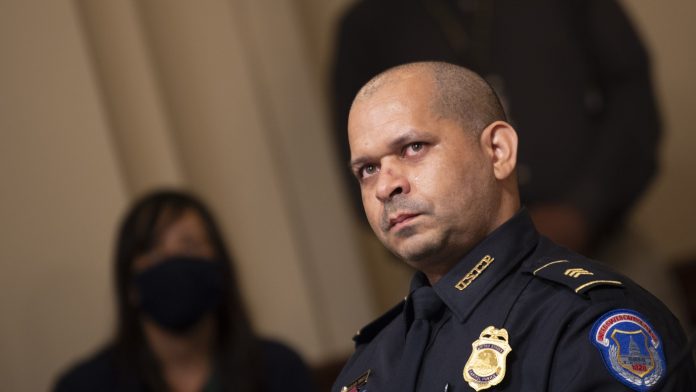
“My fellow officers and I were punched, kicked, shoved, sprayed with chemical irritants by a violent mob,” Capitol Police Sgt. Aquilino Gonell testified to Congress about his experience in the tunnel on Jan. 6. “I could feel myself losing oxygen and recall thinking to myself: ‘this is how I’m going to die – defending this entrance.'”

Now, Trump is poised to walk through that same tunnel again as president-elect, after he successfully campaigned on a message that people convicted and charged of crimes for their actions on Jan. 6 are “political prisoners” and “patriots” who deserve presidential pardons. Trump opened his first rally of the presidential campaign with a rendition of the “Star-Spangled Banner” recorded from a jailhouse phone by Jan. 6 defendants, including an alleged “Nazi sympathizer” and others accused of violent assault. During the campaign, he referred to Jan. 6 as a “day of love.”

For Gonell and other victims of that day’s violence, Trump’s electoral victory was a gut punch.

“It feels sometimes, like, what did I risk my life for?” Gonnell told NPR.

Capitol Police Sgt. Aquilino Gonell tears up during a hearing of the House select committee investigating the Jan. 6 attack on the U.S. Capitol.

Capitol Police Sgt. Aquilino Gonell watches a video of rioters during a hearing of the House select committee investigating the Jan. 6 attack on the U.S. Capitol on July 27, 2021 in Washington, D.C.

Brendan Smialowski/Pool/Getty Images


hide caption

toggle caption

Brendan Smialowski/Pool/Getty Images

Gonell says his injuries from Jan. 6 were so severe that he needed to undergo two surgeries, and ultimately had to retire from the Capitol Police. He’s watched as Republican lawmakers, some of whom he defended from the rioters, have downplayed the severity of the violence.

“All these elected officials, they don’t care about the officers – people like myself that put their lives on the line to protect them,” he said. “We did our job and gave them the time to escape, to evacuate the building. And they seem to have forgotten the fear that Donald Trump’s mob made them feel.”

Gonell immigrated to the United States from the Dominican Republic. He later served in the Army Reserve, became an American citizen and deployed to Iraq before joining the Capitol Police. After the attack on the Capitol, he spoke out about his experience as a witness in Congress and at criminal trials, and in a memoir called American Shield.

“I’ve done everything that was asked of me,” Gonell said. “I loved this country and it feels like the country doesn’t love me back.”

The Justice Department has described the Jan. 6 attack as an act of domestic terrorism that threatened the nation’s peaceful transfer of power. Prosecutors estimate that 140 officers suffered injuries that day. One of the officers who was assaulted was Brian Sicknick.

During the riot, a man attacked Sicknick with a chemical spray. Later that evening, Sicknick collapsed in the U.S. Capitol and was rushed to the hospital. The next day, Jan. 7, he died. The Office of the Chief Medical Examiner in Washington, D.C. later stated that Sicknick had died of “natural causes” – the result of two strokes – while noting that “all that transpired played a role in his condition.”

Anne Seymour, wearing a face mask, stands next to handmade signs for a memorial honoring U.S. Capitol Police Officer Brian Sicknick. Signs read "R.I.P. Officer Sicknick" and "#Hero."

Anne Seymour adds a sign at a memorial for U.S. Capitol Police Officer Brian Sicknick, who died from injuries following the Jan. 6 attack, near the Capitol on January 10, 2021 in Washington, D.C.

Al Drago/Getty Images


hide caption

toggle caption

Al Drago/Getty Images

Sicknick’s family blames Trump for his death and campaigned against his reelection.

“What I’m very upset about that might happen is that he’s gonna let all these people out of jail,” said Gladys Sicknick, Brian’s mother. “It’s just not right.”

Trump has not detailed which of the more 1,500 people charged in connection with the attack on the Capitol might receive pardons. In 2024, he told interviewers with the National Association of Black Journalists that he was open to pardoning defendants convicted of assaulting police, because “they were convicted by a very, very tough system.”

That could include the man who pleaded guilty to assaulting Brian Sicknick or those convicted of assaulting Gonell.

Karoline Leavitt, a spokeswoman for the Trump-Vance Transition, said in an emailed statement that “The American people did not fall for the Left’s fear mongering over January 6th. They re-elected President Trump by a resounding margin because they want him to unify our country through success, and that’s exactly what he will do.”

She added, “Unlike Joe Biden who just commuted the sentences of murderers, child predators, and other violent criminals, President Trump will pardon Americans who were denied due process and unfairly prosecuted by the weaponized Department of Justice.”

The statement did not provide any specifics about which defendants they were referring to.

For victims of the Jan. 6 attack, the attempt to whitewash the events of that day has been especially difficult.

Charles Sicknick, Brian’s father, said he has lost friends over their skepticism about the insurrection.

Awards, commendations and personal mementos for fallen Capitol Police Officer Brian Sicknick are set out on a table at his parents’ house.

Awards, commendations and personal mementos for fallen Capitol Police Officer Brian Sicknick are set out on a table at his parents’ house.

Tom Dreisbach/NPR


hide caption

toggle caption

Tom Dreisbach/NPR

“I try not to associate with people who are Trump people and I have lifelong friends that I don’t associate with anymore because of what happened,” Charles Sicknick said. “To them, it’s not a big deal, because it wasn’t their son, you know?”

Craig Sicknick, Brian’s older brother, said the grief of losing his little brother and the minimization of Jan. 6 has changed him. He’s prone to online fights over politics now.

“I’m not nice. I used to be nice, used to be decent. I don’t tolerate it anymore.” he said. “I’ve turned into a much angrier, crankier person. People don’t like me? I don’t care.”

Gladys Sicknick’s son, Brian, served in the U.S. Capitol Police and was assaulted with pepper spray on Jan. 6, 2021. He died the following day. After his death, Gladys got a tattoo of his badge on her forearm.

Gladys Sicknick’s son, Brian, served in the U.S. Capitol Police and was assaulted with pepper spray on Jan. 6, 2021. He died the following day. After his death, Gladys got a tattoo of his badge on her forearm.

Craig Sicknick


hide caption

toggle caption

Craig Sicknick

The Sicknick family has held close to Brian’s memory. A table sits near the front of the house, filled with commendations, including a Congressional Gold Medal and a Presidential Citizens Medal. Charles and Craig wear metal bracelets with Brian’s badge number. Gladys Sicknick got a tattoo with an image of her son’s Capitol Police badge on her forearm.

Aquilino Gonell said watching much of the country either forget or distort the Jan. 6 attack reminded him of his experience in the military, and the way the country responded to the war in Iraq.

“I remember when I was in Iraq, I came back for my two weeks R&R – rest and recuperation. And when I came back, I saw people move on. People were living their lives and not even thinking about what was happening in that part of the world,” Gonell said. “And that’s how I feel now. People moved on from that day. Officers like myself, we have not been able to.”

Some federal judges who have presided over the more than 1,500 criminal cases stemming from the assault have also decried false narratives about Jan. 6. “The rewriting of the history of Jan. 6, 2021, is incredibly disturbing,” said U.S. District Court judge Beryl Howell, an appointee of President Barack Obama, at a sentencing in Dec. 2024. Judge Royce Lamberth, an appointee of President Ronald Reagan, wrote in a court filing last month that he had witnessed “harrowing stories” at Jan. 6 trials, and said that jurors at these trials “know how perilously close we came to letting the peaceful transfer of power, that great cornerstone of the American republican experiment and perhaps our foremost contribution to posterity, slip away from us.”

Regardless of the shifting public narratives about Jan. 6, Gonell said he is still coping with post-traumatic stress from his experience defending the Capitol. Adding to his stress is the possibility that he might face retaliation from the incoming administration.

In late 2023, Trump reposted a message on social media that “the cops should be charged and the protesters should be freed.” Gonell also appeared at the Democratic National Convention and opposed Trump’s candidacy, and Trump has repeatedly threatened his political opponents.

Gonell waves on stage on the third day of the Democratic National Convention at the United Center in Chicago on Aug. 21, 2024.

Gonell waves on stage on the third day of the Democratic National Convention at the United Center in Chicago on Aug. 21, 2024.

Saul Loeb/AFP via Getty Images


hide caption

toggle caption

Saul Loeb/AFP via Getty Images

Gonell told NPR he did nothing wrong.

“What are they gonna get me on?” he said. “Doing my job? Attesting to what happened to me?”

The Trump transition team did not respond to NPR’s specific question about whether the incoming administration intends to pursue investigations of law enforcement officers who defended the Capitol.

Gonell said he’ll continue to speak out about his experience on Jan. 6, even if he now questions whether it makes a difference in the public perception.

“It was a horrible day not only for myself but for my colleagues,” he said. “No matter how much the other side wants to erase it, it won’t change that.”

Chef George Duran showcases healthy eating recipes to ring in the new year

0

SMOKY BACON SALAD IN CRISPY ENDIVE CUPS

Ingredients For the Salad:

For the Smoked Bacon Dressing:


Instructions


WALNUT ROSEMARY CRUSTED SALMON & SPINACH SALAD

Try this delightful combination of flaky salmon set atop a bed of Fresh Express® French Blue Cheese Salad Kit for a restaurant experience at home.

Ingredients

Instructions

HONEY-MISO AIR FRYER SALMON WITH BROCCOLI AND POTATOES

Serves 2

Ingredients:

Directions:


Hong Kong’s Cabbies, Long Scorned and Frustrated, Face the End of an Era

0

The air is laced with cigarette smoke and Cantonese profanities as half a dozen taxi drivers hang out by their fire-engine-red cabs on a quiet corner of the gritty Prince Edward neighborhood of Hong Kong.

It is the afternoon handover, when day shift drivers pass their taxis to those working the night shift. They are surrendering wads of cash to a taxi agent, a matriarchal figure who collects rent for the vehicles, manages their schedules and dispenses unsolicited advice about exercising more and quitting smoking. The drivers wave her off.

There may be no harder task in this city of more than seven million than trying to change a taxi driver’s habits. Often grumpy and rushing to the next fare, cabbies in Hong Kong have been doing things their way for decades, reflecting the fast-paced, frenetic culture that has long energized the city.

But taxi drivers are under pressure to get with the times. Their passengers are fed up with being driven recklessly, treated curtly and, in many cases, having to settle fares with cash — one of the strangest idiosyncrasies about life in Hong Kong. The practice is so ingrained that airport staff often have to alert tourists at taxi ranks that they need to carry bills.

The government, both because of the complaints and to revitalize tourism, has tried to rein in taxi drivers. Officials ran a campaign over the summer urging drivers to be more polite. They imposed a point system in which bad behavior by drivers — such as overcharging or refusing passengers — would be tracked and could result in the loss of licenses.

In early December, the government proposed requiring all taxis to install systems to allow them to accept credit cards and digital payments by the end of 2025, and to add surveillance cameras by the end of 2026.

Predictably, many taxi drivers have opposed the idea of closer supervision.

“Would you want to be monitored all the time?” said Lau Bing-kwan, a 75-year-old cabby with thinning strands of white hair who accepts only cash. “The government is barking too many orders.”

The new controls, if put in place, would signal the end of an era for an industry that has long been an anomaly in Hong Kong’s world-class transportation system. Every day, millions of people commute safely on sleek subways and air-conditioned double-decker buses that run reliably.

Riding in a taxi, by comparison, can be an adventure. Step into one of Hong Kong’s signature four-door Toyota Crown Comfort cabs and you will most likely be (what is the opposite of greeted?) by a man in his 60s or older with a phalanx of cellphones mounted along his dashboard — used sometimes for GPS navigation and other times to track horse racing results. Pleasantries will not be exchanged. Expect the gas pedal to be floored.

You will then reflexively grab a handle and try not to slide off the midnight-blue vinyl seats as you zip and turn through the city’s notoriously narrow streets. Lastly, before you arrive at your destination, you will ready your small bills and coins to avoid aggravating the driver with a time-consuming exit.

“When they drop you off, you have to kind of rush,” said Sylvia He, a professor of urban studies at the Chinese University of Hong Kong who, like many residents of this city, feels conditioned to walk on eggshells around a cabby. “I don’t want to delay their next order.”

To many cabbies, the impatience and brusqueness is a reflection of their harsh reality: when scraping by in a business with shrinking financial rewards, no time can be wasted on social niceties. Lau Man-hung, a 63-year-old driver, for instance, skips meals and bathroom breaks just to stay behind the wheel long enough to take home about $2,500 a month, barely enough to get by in one of the most expensive cities in the world.

“Some customers are too mafan,” said Mr. Lau using a Cantonese word that means causing trouble and annoyance. “They like to complain about which route to take. They tell you to go faster.”

Driving a cab used to be a decent way to make a living. But business has gotten tougher, made worse by the fallout of mainland China’s economic slowdown. The city has had trouble reviving its allure with tourists, while its bars and nightclubs, once teeming with crowds squeezed into narrow alleyways, now draw fewer revelers.

Even before the downturn, some owners of taxi licenses were struggling. Taxi licenses are limited by the government and traded on a loosely regulated market. Some owners suffered huge losses after a speculative bubble drove prices up to nearly $1 million for one license a decade ago, then burst.

Today, licenses are worth about two-thirds of their decade-ago high. Many businesses and drivers who own licenses are focused more on recouping losses than on improving service.

Tin Shing Motors, a family-owned company, manages drivers and sells taxi license mortgages and taxicab insurance. Chris Chan, a 47-year-old third-generation member of the company, says Tin Shing is saddled with mortgages bought when licenses were worth much more.

To chip away at that debt, Mr. Chan needs to rent out his taxis as much as possible. But he struggles to find drivers. Many cabbies have aged out, and young people have largely stayed away from the grueling work. Profit margins have dwindled, he added, especially with the cost of insurance almost doubling in recent years. Uber, despite operating in a gray area in Hong Kong, has also taken a chunk of customers away.

“It’s harder and harder to make money,” Mr. Chan said.

At the bottom are the drivers, about half of whom are 60 and older. Many cannot afford to retire. They have to make about $14 an hour to break even after paying for gas and the rent of their vehicles. To them, cash in hand is better than waiting days for electronic payments to clear.

Tension between the public and taxi drivers plays out with mutual finger pointing. When the government introduced the courtesy campaign last year, a driver told a television reporter that it was the passengers who were rude.

In many ways, Hong Kong’s taxi drivers embody the high-stress, no-frills culture of the city’s working class. Their gruffness is no different from the service one gets at a cha chaan teng, the ubiquitous local cafes that fuel the masses with egg sandwiches, instant noodles and saccharine-sweet milk tea. Servers are curt, but fast.

“People tend to have one bad experience and remember it for the rest of their life,” said Hung Wing-tat, a retired professor who has studied the taxi industry. “Consequently, there is an impression among the public that all taxi drivers are bad when most of them just want to earn a living. They don’t want any trouble.”

Indeed, there are cabbies like Joe Fong, 45, who sees no value in antagonizing his customers and has tried to adapt to his passengers’ needs.

“Why fight?” Mr. Fong said. “We need each other. You need a ride and I need your money.”

Mr. Fong maximizes his income by splitting his time between driving a private car for Uber and a cab for a taxi fleet called Alliance. Mr. Fong has five cellphones affixed to his dashboard. He welcomes electronic payments, and he did not raise an eyebrow when Alliance installed cameras in all their taxis last year.

“I’m not like those old guys,” said Mr. Fong, who drives one of Hong Kong’s newer hybrid taxis made by Toyota, which look like a cross between a London cab and a PT Cruiser. “The world has changed. You have to accept it.”

Olivia Wang contributed reporting.

Politics chat: January 6 anniversary, Republicans in Congress split over immigration

0

Congress will certify the 2024 presidential election results Monday, exactly four years after the attack on the Capitol. Plus, the split among Republicans over immigration reform.

Malicious apps posing as VPNs can turn your device into a tool for cyberattacks

0

Virtual private networks (VPNs) are important if you care about your data and privacy. They create a secure, encrypted connection between your device and the internet, hiding your IP address and protecting your online activity. 

There are tons of apps out there that claim to offer VPN services, but not all of them are legit. Some are fakes trying to steal your data. 

In the third quarter of 2024, security researchers found that the number of users encountering fake VPN apps jumped 2½ times compared to the second quarter globally. These apps were either malware or programs that could be used by malicious actors.

I’m diving into the rise of fake VPN apps and how you can stay safe.

I’M GIVING AWAY THE LATEST & GREATEST AIRPODS PRO 2

A VPN on a cellphone   (Kurt “CyberGuy” Knutsson)

What you need to know about the surge in fake VPN apps

According to Kaspersky, cybercriminals are taking advantage of people who want to use free VPN services. In May 2024, law enforcement shut down a botnet, a network of hijacked devices, called 911 S5. Several free VPN services, including MaskVPN, DewVPN, PaladinVPN, ProxyGate, ShieldVPN and ShineVPN, were used to create this botnet.

WHAT IS ARTIFICIAL INTELLIGENCE (AI)?

When users installed these VPN apps, their devices were turned into proxy servers, meaning they were used to redirect someone else’s internet traffic. 

This huge network spread across 19 million unique IP addresses in over 190 countries, making it possibly the largest botnet ever created. The people controlling the botnet sold access to these infected devices to other criminals, who used them for cyberattacks, money laundering and fraud.

laptop vpn

A VPN on a laptop  (Kurt “CyberGuy” Knutsson)

HOW TO REMOVE YOUR PRIVATE DATA FROM THE INTERNET

Don’t trust free VPNs

You can’t trust free VPN apps because they have no reason to keep you or your data safe. Here’s why you should be cautious:

  • Data sharing: Many free VPNs share user data with third parties.
  • Weak encryption: About 36% of free VPNs use weak encryption, compromising your online security.
  • Data leaks: Nearly 90% of free VPNs leak some kind of data, with 17% leaking more than they should.
  • Unreliable connections: More than half of free VPNs have unstable connections.
  • Excessive permissions: Almost 70% ask for permissions they shouldn’t need, like tracking your location (20%) or checking what apps you have installed (46%).

Why people fall for fake VPNs

There’s a growing demand for VPN apps across all platforms, including smartphones and computers. Users often believe that if they find a VPN app in an official store, like Google Play, it’s safe to use. They’re especially drawn to free services, thinking it’s a great deal. However, this can often be a trap.

MASSIVE DATA BREACH EXPOSES 3 MILLION AMERICANS’ PERSONAL INFORMATION TO CYBERCRIMINALS

Choose trusted VPN services for optimal security and privacy

If you need a VPN, stick to a service that’s well-known, trusted and not free. Look for ones that are talked about on mainstream sites and backed by solid reviews. If you’re not sure where to start, I’ve put together a handy list of my favorite VPNs. I’ve tested them myself, and you can trust them to keep your data safe. For best VPN software, see my expert review of the best VPNs for browsing the web privately on your Windows, Mac, Android and iOS devices.

woman with phone

A woman looking at a VPN app on her phone   (Kurt “CyberGuy” Knutsson)

UNDERSTANDING BRUSHING SCAMS AND HOW TO PROTECT YOURSELF 

7 important tips for choosing and using VPNs

Here are seven essential steps to help you choose a reliable VPN and safeguard your online privacy.

1. Stick to official app stores: Always download apps from trusted platforms like the App Store for iOS or the Google Play Store for Android. These stores have built-in security measures that help detect and remove fake or harmful apps. Avoid downloading apps from random websites or third-party stores, as they are more likely to host malicious software. Even on official stores, check the app’s reviews, ratings and download count to ensure it’s trustworthy.

2. Pay attention to app permissions: Be careful about the permissions you grant to apps during installation. A flashlight app, for example, doesn’t need access to your contacts or location. Question any permission that doesn’t align with the app’s functionality. Both iOS and Android allow you to review and manage app permissions in your settings, so take the time to double-check what you’ve already allowed.

GET FOX BUSINESS ON THE GO BY CLICKING HERE

3. Use two-factor authentication (2FA): Implement 2FA for your VPN accounts to add an extra layer of security beyond just a password.

4. Keep software updated: Regularly update all VPN-related software, including clients, servers and associated networking hardware, to benefit from the latest security patches and improvements.

5. Use strong encryption: Look for VPN services that use robust encryption protocols like AES-256 to protect your data.

6. Monitor VPN traffic: Continuously monitor VPN traffic and logs for unusual patterns that might indicate security issues.

7. Invest in strong antivirus software: A strong antivirus program can help detect and remove malware before it compromises your device. Many antivirus apps also come with features like web protection, anti-phishing tools and the ability to scan new apps for threats. While there are free options, premium versions often provide more comprehensive protection. Look for a trusted name in cybersecurity when choosing an antivirus solution. Get my picks for the best 2025 antivirus protection winners for your Windows, Mac, Android and iOS devices.

Kurt’s key takeaway

Fake VPN apps are everywhere, and they’re bad news. They’re not just useless. They can turn your device into a tool for cybercriminals. The 911 S5 botnet showed us just how dangerous free VPNs can be, turning millions of devices into a giant network for fraud and attacks. The truth is free VPNs aren’t really free. They often come with weak security, leak your data or demand permissions that put your privacy at risk. If you’re serious about protecting your online activity, invest in a trusted, paid VPN service.

CLICK HERE TO GET THE FOX NEWS APP

How often do you check the credibility of apps you download? Let us know by writing us at Cyberguy.com/Contact

For more of my tech tips and security alerts, subscribe to my free CyberGuy Report Newsletter by heading to Cyberguy.com/Newsletter

Ask Kurt a question or let us know what stories you’d like us to cover

Follow Kurt on his social channels

Answers to the most asked CyberGuy questions:

New from Kurt:

Copyright 2025 CyberGuy.com.  All rights reserved.

On the Run, a Hit Man Gives One Last Confession

0

There are, the hit man said, many ways to kill.

A string tied between two sticks strangles with a tug of the wrists. A butcher’s blade, long and thin, slices into the heart.

Edgar Matobato said he fed a man to a crocodile, but only once. Mostly, he said, he ended people’s lives with a trusted weapon: his .45-caliber Colt M1911 pistol.

“For almost 24 years, I killed and disposed of many bodies,” Mr. Matobato said of his time with a death squad in Davao City, in the southern Philippines. “I am trying to remember, but I cannot remember everyone.”

“I’m sorry,” he added.

We were sitting in the outdoor kitchen of Mr. Matobato’s secret refuge in the Philippines. A fierce rain sent water skittering into the room. Mosquitoes followed. He slapped one dead, its body oozing someone else’s blood.

Mr. Matobato was in hiding. He has been for a decade, ever since he confessed to his crimes and divulged who ordered the bloodletting: Rodrigo Duterte, the mayor of Davao City, who later became president of the Philippines.

Mr. Matobato, now 65, says he killed more than 50 people for the man he called “Superman,” pulling in a salary from City Hall of a little more than $100 a month and receiving envelopes of cash for successful hits. He rarely hid his identity as he kidnapped and killed, he said, because working for the mayor gave him impunity.

Mr. Matobato knew that breaking the omertà of what came to be known as the Davao Death Squad made him a marked man. He was given sanctuary by priests and politicians, who hoped his confessions might be used to one day hold his former boss to account.

When I first met him last year, Mr. Matobato was waiting for the International Criminal Court, or I.C.C., to take him as a witness in its inquiry into whether Mr. Duterte committed crimes against humanity. In 2018, international prosecutors began investigating Mr. Duterte, who was president from 2016 to 2022, for overseeing extrajudicial killings, in Davao City and later across the Philippines, he justified as part of a law-and-order campaign against illegal drugs and other societal ills. No exact tally exists of how many people were victims of his drug war — a killing spree that included far more than drug pushers and petty criminals — but low estimates are at 20,000.

By the time we met, Mr. Matobato had a new name and a new job shearing sheep and feeding chickens — no killing anymore, he said. At least two other members of the Davao Death Squad had already made their way overseas to be witnesses for the I.C.C. He was aching for his chance, too.

His declining health added urgency. Though Mr. Matobato cannot read, he understood the irregular jags of his electrocardiogram, signs of a troubled heart.

For people in the Philippines who are keen to bring Mr. Duterte to account, the testimony of hit men like Mr. Matobato is crucial. But they also recognize that granting these killers any kind of legal protection, much less forgiveness, is a necessary evil.

While another former hit man says he secured immunity in exchange for his testimony at the I.C.C., Mr. Matobato told me he was not seeking the same. If the I.C.C. wanted to punish him for the killings he had committed, so be it.

“For almost 24 years, I killed for Duterte — 24 years, 24 years,” Mr. Matobato said, repeating the number like a mantra.

“I will face what I did,” Mr. Matobato said. “But Duterte, he must be punished by the court and by God.” He just hoped his recounting of his crimes would lead the former president to prison.

At 5 feet 2 inches, Mr. Matobato is used to being underestimated. He grew up poor, his father killed by Communist rebels, he said. Barely able to write his own name, he worked as a security guard before a policeman offered him the chance in 1988 to join a group of enforcers cleaning up a crime-ridden city.

Their corps was eventually called the Heinous Crimes Unit. Mr. Matobato said he was a “force multiplier,” a low-ranking hit man often drawn from the ranks of security guards or dropouts from rebel militias.

“This is no joke,” Mr. Matobato said. “I may be small, but I know how to kill very well.”

Over many months, I checked hundreds of details in Mr. Matobato’s recollections with testimony from several others who said they had also been members of the Davao Death Squad. While there were small points of divergence, the vast bulk of their memories matched.

The Duterte Death Squad developed its own code and methods. “Trabajo” meant a hit. A towel emblazoned with the words “good morning” hanging over the shoulder of a spotter would signal the positioning of the target to be killed. Brown packing tape kept the victims’ screams from posing a distraction.

The men often worked at the Laud quarry, on the outskirts of Davao City, each cave and hideaway swathed in tropical green. There, the squad dismembered and buried hundreds of bodies over a quarter-century, according to statements from five men who said they were members of the group. Mr. Duterte sometimes presided over the torture, executions and grave digging, they said.

Mr. Matobato said that at the quarry, which was owned by a policeman who was a founding member of the Davao Death Squad, he specialized in body disposal. He grew practiced at the geometry of butchery, turning a human into a package of flesh and bones fit for a compact burial space. It was also important, he said, that the corpses not be easily identifiable.

Mr. Matobato said he would slice through the thorax, remove the vital organs and lop the limbs. Then he would cut off the head and place it in the cavity the innards had occupied. He would pour engine oil over the butchered body to stanch the smell.

Cutting off the ears, he said, was for no real reason. But once he started, it was sometimes hard to stop.

“Yes, ma’am,” Mr. Matobato told me, his hand mimicking each motion of dismemberment. “I was very good at chop-chop.”

After busy days at the quarry, Mr. Matobato and the other hit men would often drive to the Vista View restaurant. They took over a favored cabaña overlooking the Laud quarry. They feasted on seafood and halo-halo, a kind of Filipino ice cream sundae.

At least once, though, Mr. Matobato ate at the quarry. According to Mr. Matobato and one other member of the squad, the hit men set up a barbecue. Mr. Matobato sliced a chunk of thigh from a fresh corpse. They grilled and ate the flesh, each bite tightening the bond between the hit men, Mr. Matobato said.

“He would come home with blood on his clothes, but he always said it was from cock fights,” said Joselita Abarquez, Mr. Matobato’s common-law wife. “I had to wash a lot to get the clothes clean.”

On one occasion in 2009, Mr. Matobato crouched in a limestone outcropping, not with a curved carving blade, but with his Colt. He said he had been given orders to shoot dead a woman who was going into the Laud quarry to find evidence of extrajudicial killings.

Mr. Matobato said he didn’t question the hit. This many years in, he admitted, he knew he was no longer just killing “trash,” as he referred to petty offenders.

“When we started, we were proud that we were neutralizing criminals, drug pushers, thieves, making Davao safe,” Mr. Matobato said. “Then it changed, but we kept following Superman’s orders.”

The hit list came to include businessmen who challenged the interests of Mr. Duterte’s sons, politicians whose spheres of influence pressed against Mr. Duterte’s, journalists who pointed out Mr. Duterte’s public prescience in who would soon turn up dead. On that day in 2009, the list also included Leila de Lima, the head of the Philippine Commission on Human Rights who had been leading a monthslong investigation into the rising body count in Davao City.

Armed with a search warrant, Ms. de Lima and her team pinpointed a couple places in the Laud quarry where another hit man had confessed to her that human remains were buried.

At the first spot, they shoveled and found bones and a skull. By that time, the sun was setting. There was no time to explore the other suspected mass grave, near where Mr. Matobato hid with his gun cocked.

“We waited, but she never came,” Mr. Matobato said. “We failed in our mission.”

Not long after her Laud quarry investigation, Ms. de Lima’s tenure at the human rights commission ended. Her Davao City findings languished. An associate of Mr. Duterte’s said that the skeletal remains her team found were those of Japanese soldiers from World War II.

But Mr. Matobato didn’t forget Ms. de Lima. When in 2014 he decided to confess his crimes and go into hiding, the woman who had been on his kill list helped arrange his escape and public confession.

Two years later, in 2016, under the guidance of Ms. de Lima, Mr. Matobato gave his Senate testimony about the Davao Death Squad. He spoke of witnessing Mr. Duterte shoot a weapon. His performance was halting. Some senators grilled him in English, a language he barely spoke.

Mr. Matobato’s handler on the death squad, Arturo Lascañas, a senior police officer, was called as a defender of Mr. Duterte. In crisp English, Mr. Lascañas rejected Mr. Matobato’s accusations entirely.

After the hearing, Mr. Duterte was elected president with a resounding mandate. Mr. Matobato remained in hiding. For one five-year stretch, he and his wife were confined to a house, unable to leave because of the perceived threats from the president of the Philippines.

“We ran out of tears,” Ms. Abarquez said of that period of isolation. “We almost went crazy.”

Mr. Matobato said he wanted only to stay in a darkened room. Images of those he killed floated past his closed eyes. The memory of the young ones, the girls, especially, made him feel like he had to throw up, a queasiness that had never affected him during all those years in Davao.

One night while sequestered in that house, he tied some linens together and decided to hang himself.

“I couldn’t live with myself, with all that I had done,” he said.

But he found he couldn’t kill himself, either.

A year after the Senate inquiry, Mr. Lascañas made his own public confession. His health was failing, and he was seeking absolution, he said. Everything Mr. Matobato had said at the hearing was true, Mr. Lascañas finally admitted. He had been Mr. Matobato’s boss. He had executed hits as a leader of the Davao Death Squad. And he had been personally instructed by Mr. Duterte to kill.

Not too long ago, Mr. Lascañas quietly left the Philippines and came under the protection of the I.C.C. Mr. Matobato acknowledged that Mr. Lascañas could neatly diagram the complex hierarchy of the death squad, Mr. Duterte sitting at the very top. He knew that Mr. Lascañas’s sworn statement was many pages longer than his own. Still, Mr. Matobato had confessed first, and he could not understand why the I.C.C. didn’t want him, too.

“I am ready to tell all my crimes,” Mr. Matobato said.

By then, Mr. Matobato and Ms. Abarquez had secretly moved into a Catholic Church compound, under the protection of priests. They had more space and animals to tend, fruit trees to nourish them, too. Mr. Matobato took video calls with I.C.C. investigators.

“I told them everything about what I did on Superman’s orders,” he said. He raised his hand to his head in a salute.

In the spring, there were rumors that Mr. Matobato would follow Mr. Lascañas into overseas exile under the court’s protection. But the weeks kept slipping by.

“I have to be patient,” he told me, sighing. “I am good at following orders.”

Nervous energy kept Mr. Matobato’s legs jiggling, his toes barely reaching the ground. Even though Mr. Duterte left the presidency in 2022, the family’s continued grip on power — his daughter is vice president, his son is Davao City mayor, and Mr. Duterte himself is making noises about wanting to reassume the mayoral position — made Mr. Matobato all the more desperate to leave the Philippines.

I was preparing to visit Davao City with the photographer Jes Aznar, and Mr. Matobato told me he was worried for us, the muscles in his jaw twitching. The extrajudicial killings in Davao have not stopped. In one spate earlier last year, seven bodies were found on city streets.

“With Superman, life is cheap in Davao,” Mr. Matobato said. “One bullet, two bullets.”

He formed a pistol with his fingers and pointed at my heart, before laughing, although not for very long.

A culture of fear still pervades in Davao City. I met with a mother who lost three children to the drug war, one in 2013, one in 2016 and one in 2023. We spoke for hours, and she trembled as she described each son who was killed: Vivencio Jr., 19, who was watching basketball when the gunmen pulled up on motorcycles; Veejay, 21, who was taken into an unmarked van and shot dead as he tried to escape; and Harry Jay, 32, whose corpse with two bullet wounds she claimed from the hospital.

When Jes and I arrived at the Laud quarry, at a shooting range that operates on the fringes of the property, we were followed by two men, one of whom filmed us on his cellphone. We left quickly, wondering whether we were imagining a threat. But when we later showed the two men’s photos to Mr. Matobato, he confirmed that they were members of the Davao Death Squad.

The day started with a farewell to the sheep, goats and chickens that Mr. Matobato had cared for while in hiding. His turn to flee the Philippines and tell of his crimes had finally come.

The family — Mr. Matobato, his wife and his two stepchildren — loaded a van with suitcases packed with Filipino snacks and Catholic talismans. Over his shoulder, Mr. Matobato carried a black laptop case, the same one in which he used to keep his Colt pistol. He has never owned an actual computer.

Mr. Matobato had managed to obtain a new identity with a new passport and a new job description: gardener. He practiced saying his new name, first, middle and last, but the syllables came out funny, with a question mark hanging over them. His thick hair had been shaved, and he wore large glasses and a gray goatee. A mask covered part of his face.

Still, Mr. Matobato, with his compact but coiled energy, worried that he was recognizable. One of the sons of the owner of the Laud quarry had worked as a police officer at the airport in the Philippine capital, Manila. The priests and politicians arranging Mr. Matobato’s escape worried that he was being targeted for a hit.

The throng of travelers at the airport disoriented Mr. Matobato. It had been a decade since he had been in a crowd. Back when he killed in Davao City, he said, he never bothered to conceal his identity. He could shoot someone in broad daylight and stroll away. Now, he was desperate not to be seen.

As he waited in line at immigration, Mr. Matobato’s lips moved soundlessly. He was not praying, he later said, but repeating his new name. The immigration officer had no questions, and Mr. Matobato’s new passport received an exit stamp. As the plane took off for Dubai, he cradled a figurine of the Virgin Mary in his hands. This time, he said, he was invoking God. Flying filled him with fear.

Shortly after the flight’s takeoff, he downed a beer but he was still jangly, he said. He was in the middle seat of a middle row in economy class. Next to him slept two Catholic priests who had negotiated his long escape from the Philippines.

Mr. Matobato diverted his attention by watching “The Beekeeper,” a movie about a hit man.

“Very good,” he told me, giving two thumbs up. “Very realistic.”

At the Dubai airport, Mr. Matobato, who had eaten everything served to him on the nine-hour flight, was still hungry. The priests led him and his family to a Five Guys for hamburgers. A server from the Philippines smiled at the clergymen and offered them free fries. Mr. Matobato chewed his burger in silence, taking big bites and wiping his fingers clean. Then he put his face mask back on.

“I don’t think anyone recognizes me, but you can never be sure,” he said, his eyes scanning the restaurant. “Superman is powerful. He has his spies everywhere.”

On the next flight, another long-haul, Mr. Matobato watched more movies about hit men. Bullets flew on the screen. At the duty-free shop in the country that is his new home — The New York Times is not identifying his whereabouts for his security — Mr. Matobato gazed at the fully stocked liquor aisles. There was Johnny Walker in blue and black and green and double black — more labels than he had ever seen, he said. He glanced at the priests, and one picked up a bottle for a celebration.

“The pursuit of justice is long and arduous, but with Edgar out of the Philippines, we are one big step closer to bringing Duterte to account,” said the Rev. Flaviano Villanueva, who helped form a kind of church witness protection program for penitent members of the Davao Death Squad. “We have to tell the world, tell the Filipino people that ours is not a society that accepts wanton violence, that ignores extrajudicial killings, that glorifies a president who boasts about murder.”

For speaking out against the violence of Mr. Duterte’s drug war, Father Villanueva and another Catholic priest were tried for sedition. They were acquitted after Mr. Duterte left office.

In a car for another drive to another safe house, Mr. Matobato fell asleep within minutes. It was as if a decade’s worth of tension in his body had uncorked.

Over the next few days, Mr. Matobato would experience the dislocation of being a permanent exile. He did not understand the language, the people or the culture. Still, he was free to walk around, unmasked and unrecognized. At a superstore, he maneuvered a large shopping cart through the aisles, staring at the unfamiliar foods. He prayed at a cathedral. He went on walks with his wife, just the two of them. They held hands.

“I know what he did is wrong, but he is my husband,” Ms. Abarquez said.

On that first night in his new home, drinking Johnny Walker Blue Label decanted in plastic cups, Mr. Matobato said he felt free for the first time in decades. Superman’s men, he said, could not come after him anymore. He raised his glass. Tears trickled down his face.

His family went to bed, jet-lagged and disoriented. But Mr. Matobato did not want to sleep. Killings once submerged in his memory surfaced.

“Did I tell you about the time we killed the girls?” he asked me.

He had, back when we were in the Philippines. That was the first time I had seen Mr. Matobato cry. Sitting with his wife, he had described how he and other death squad members kidnapped three young women around 2013. They were told the women were drug dealers, but Mr. Matobato didn’t think they were. The hit men bundled the women into a van.

At a quiet bend, where Gold Street meets Ruby Street, several men stayed in the back of the van and raped the women, Mr. Matobato said. He said his role was to act as lookout, standing outside the vehicle to ward off any passers-by. The women were killed in the van, then their bodies were swathed in packing tape and dumped in a patch of forest, Mr. Matobato said.

“They were so young,” he said. “They weren’t criminals. I don’t even know their names.”

Ms. Abarquez had been listening to her husband speak. She stood up and walked away.

There were so many unidentified corpses that turned up in Davao City back then that I was not able to confirm with certainty Mr. Matobato’s account. One police officer said there were at least three instances of multiple female bodies found in Davao City around 2013.

It’s like that with many of the extrajudicial killings, both in Davao City and nationwide. Evidence is hazy. People are still afraid to talk. In the end, it’s unlikely that most of the death squad members will ever face prosecution.

Back in his new home, I told Mr. Matobato that he had already described the deaths of the three young women to me. His eyes glistened.

“In my nightmares, I see the girls, and they are screaming,” he said. “They were so young, so innocent. They didn’t deserve to die.”

Mr. Matobato swallowed more whiskey. Then he smiled, his teeth small and white.

“I haven’t told you about these ones before,” he said. “You can write it down.”

For an hour, and then another, he related more killings he said he committed. My hand hurt from writing down every death, every instrument of killing: a knife, a .45 Colt, a rope, a heave into the sea.

Mr. Matobato sipped his Johnny Walker. He was still awake. Absolution eluded him. So he told me one more story, just one more, of a man he says he killed for Superman.

Audio produced by Sarah Diamond.
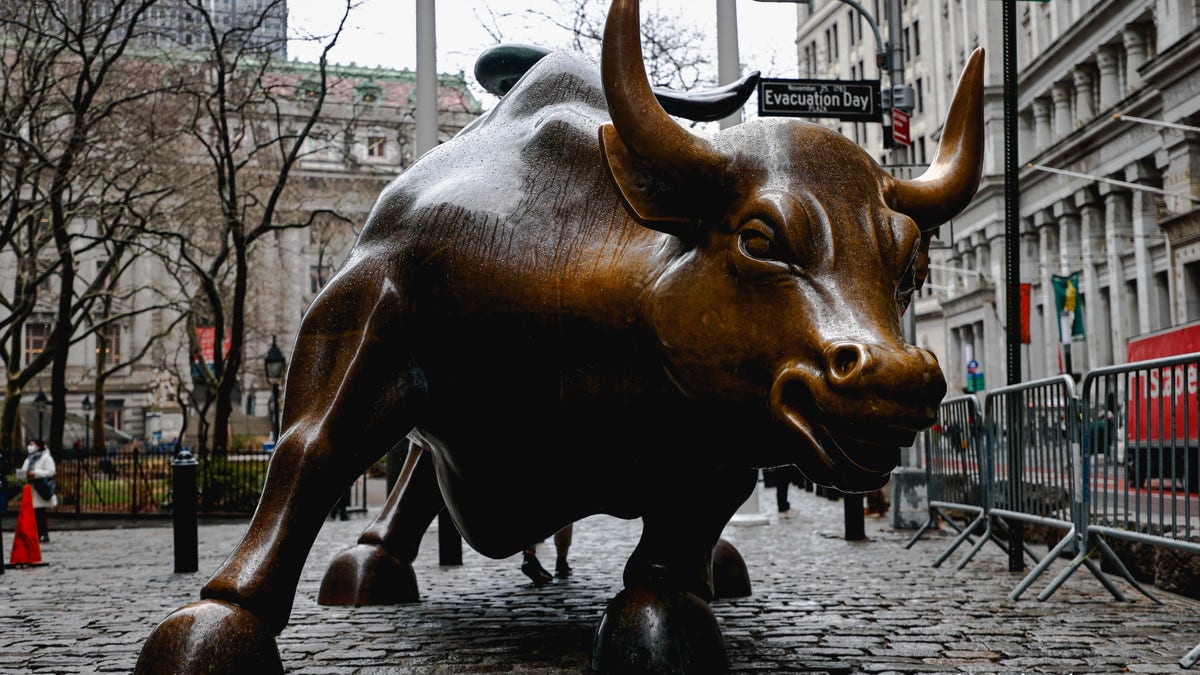
Melania Trump, Amazon partner to release new film about her life in theaters worldwide

0

EXCLUSIVE: Amazon Prime has exclusively licensed a documentary film for global theatrical and streaming release that will give viewers an “unprecedented behind-the-scenes look” at First Lady Melania Trump’s life, Fox News Digital has learned. 

Fox News Digital has learned that the project is expected to be released globally in theaters and for streaming use in the second half of 2025. 

Filming for the upcoming documentary began in December 2024. The documentary will be executive produced by First Lady Melania Trump and Fernando Sulichin of New Element Media, with Brett Ratner of RatPac Entertainment serving as director. 

Prime Video is expected to share more details on the project as filming progresses, and will release plans when finalized, Fox News Digital has learned. 

MELANIA TRUMP TO RELEASE ‘COLLECTOR’S EDITION’ OF MEMOIR FEATURING IMAGES PHOTOGRAPHED BY FORMER FIRST LADY

“We are excited to share this truly unique story with our millions of customers around the world,” an Amazon spokesperson said in a statement. 

The announcement comes just weeks before Mrs. Trump will return to the White House as first lady of the United States of America. 

It also comes months after the release of her first-ever book, “Melania.” The memoir presents an intimate portrait of Melania Trump and includes personal stories and family photos she had not previously shared with the public. 

Former First Lady Melania Trump. 

Former First Lady Melania Trump.  (Melania Trump)

“Melania” has been at the top of the New York Times’ best-selling list since its release to the public. 

MELANIA TRUMP LAUNCHES ‘ON THE MOVE’ DIGITAL PHOTO SERIES HIGHLIGHTING HER ‘FAST-MOVING LIFE’

In November, just days after President-elect Trump was elected the 47th President of the United States, Mrs. Trump also rolled out a digital photography series to highlight her life on the 2024 campaign trail and at home. 

Trump told Fox News Digital in an interview last year that if she had the privilege to serve as first lady again — which she will, beginning on Jan. 20, 2025 — she would continue to prioritize initiatives focused on the well-being and development of children to ensure they have the “support and resources they need to reach their full potential.” 

melania trump

First Lady Melania Trump visits the Children’s Inn at National Institutes of Health on Valentine’s Day on on February 14, 2020 in Bethesda, Maryland. (Tasos Katopodis/Getty Images)

“My focus would continue to be creating a safe and nurturing space for children to learn, grow and thrive,” she said.  

During the first Trump administration, Mrs. Trump hosted virtual roundtables on foster care as part of her “Be Best” initiative and focused on strengthening the child welfare system. She worked with members of Congress on legislation that secured funding for grants awarded to youth and young adults currently or formerly in foster care to help pay for college, career school or training. The bill ultimately was signed by then-President Donald Trump in December 2020.

GET TO KNOW DONALD TRUMP’S CABINET: WHO HAS THE PRESIDENT-ELECT PICKED SO FAR?

Since leaving the White House, the former first lady has also created special edition Non-Fungible Tokens. A portion of those proceeds also went toward her initiative “Fostering the Future” to secure educational opportunities and scholarships for children in the foster care community.

Former President Donald Trump with his wife Melania Trump at the GOP convention

Former President Donald Trump is joined by his wife Melania Trump following his address at the Republican National Convention, on July 18, 2024 in Milwaukee, Wisconsin (Fox News – Paul Steinhauser)

“Fostering the Future” students are currently enrolled in multiple colleges and universities across the country, with areas of focus primarily on technology and computer sciences. 

CLICK HERE TO GET THE FOX NEWS APP

“Writing my memoir has been an amazing journey filled with emotional highs and lows,” Mrs. Trump told Fox News Digital last year. “Each story shaped me into who I am today.” 

She said that “although daunting at times, the process has been incredibly rewarding, reminding me of my strength, and the beauty of sharing my truth.”