Friday, November 13, 2026
Home Blog Page 281

Trump’s tariffs on Canada and Mexico would hurt the auto industry : NPR

0

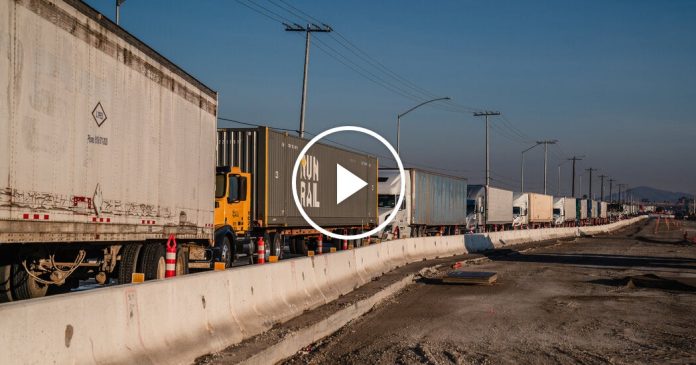
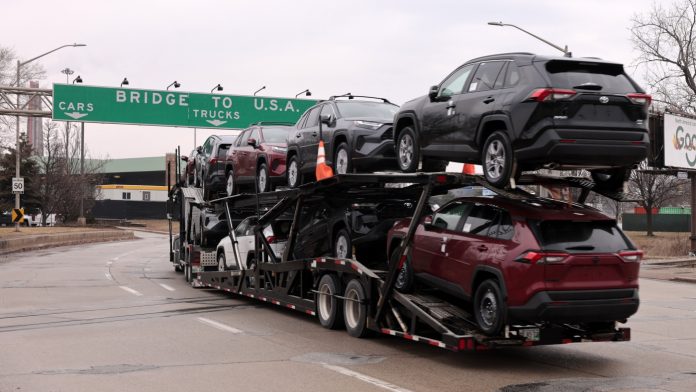
A car hauler carries Toyota RAV4 vehicles as it enters to cross the Ambassador Bridge in Windsor, Ontario to go to Detroit, Michigan on February 3.

JEFF KOWALSKY/AFP via Getty Images


hide caption

toggle caption

JEFF KOWALSKY/AFP via Getty Images

President Trump has promised to put tariffs of 25% on Mexico and Canada — unless they strike deals with him to cut down on immigration and drug trafficking, or otherwise give the U.S. what Trump considers a “win.” Both countries have now negotiated a one-month reprieve from the tariffs.

Trump has called “tariff” the most beautiful word in the English language, but to many U.S. businesses, these particular tariffs are an ugly prospect.

Canada and Mexico are crucial trade partners. The auto industry, in particular, has been watching anxiously for updates. Carmakers have built a vast, complicated supply chain that spans North America, with parts crossing back and forth across borders throughout the auto manufacturing process.

“I think everybody understands that Mexico, the U.S. and Canada are very integrated,” Irina Im, a senior analyst at RSM Canada, said in December. “It is hard to imagine how this supply chain that has been built out over a long time can be disrupted.”

Tariffs would, of course, sharply raise costs on vehicles imported from Mexico, like the Toyota Tacoma, or Canada, like the Chrysler Pacifica. But it would also raise prices for vehicles that are assembled in the U.S., because many of their parts are sourced from companies in Canada or Mexico. Some parts cross borders multiple times — like, say, a wire that is manufactured in the U.S., sent to Mexico to be bundled into a group of wires, and then back to the U.S. for installation into a bigger piece of a car, like a seat.

This border-hopping supply network was supported by trade agreements such as NAFTA, which Trump reviled, and its replacement USMCA, which Trump signed. And the Detroit 3 — the U.S.-based automakers, who have significant operations in the U.S.’s closest neighbors — would be particularly vulnerable to cost increases.

Analysts at Bernstein Research estimate that 25% tariffs on both countries would be a headwind of up to $110 million per day for the auto industry, hurting the Detroit 3 disproportionately. Analysts at Jefferies, an investment bank, project that it would add about 6%, or $2,700, to the average U.S. vehicle prices for car shoppers.

“We urge all parties to reach a swift resolution in order to provide clarity and stability for the entire U.S. auto industry,” Jennifer Safavian, President and CEO of Autos Drive America, a trade group representing international automakers, said in a statement Saturday. The Alliance for Automotive Innovation, the group representing U.S. auto manufacturing, noted that “seamless” trade in North America supports a $300 billion auto industry.

MEMA, a trade group representing companies that make auto parts and components, wrote in a memo on January 31 that the tariffs “would have severe consequences” for suppliers, workers and consumers alike.

On Monday, Trump spoke with the leaders of both Mexico and Canada, and announced that neither country would be immediately subject to tariffs as talks continue.

But he also dismissed concerns about the economic impacts if tariffs were imposed, telling reporters on Monday that the U.S. is not reliant on Canada. “We don’t need them to make our cars,” he said.

One significant challenge for automakers — and their surrounding ecosystem of suppliers, dealers and repair shops — is Trump has always said these particular tariffs are meant to motivate policy changes, and are not intended to be permanent. That’s in contrast to some long-term tariffs on China, which are meant to help U.S. companies compete with subsidized Chinese rivals, or to the prospect of widespread, across-the-board tariffs meant to raise revenue for the federal government.

When tariffs are expected to linger, automakers might be willing to make significant investments in order to avoid them, like relocating where a vehicle is made, or building new supplier relationships. But if a tariff is only going to be in place briefly (or never move beyond a threat), that outlay doesn’t make sense.

Mary Barra, the CEO of General Motors, addressed this conundrum in a call with investors last week. The company is prepared to take “no cost or low-cost” actions to mitigate the blow of tariffs, she said. (She didn’t specify, but one possibility would be to stockpile some parts ahead of time, or use existing supplier relationships to source as much as possible from the U.S. instead of other countries.)

“What we won’t do is spend a large amount of capital without clarity,” she said.

And as of Monday afternoon, clarity was in short supply.
FBI agents group tells Congress to take urgent action to protect against politicization

0

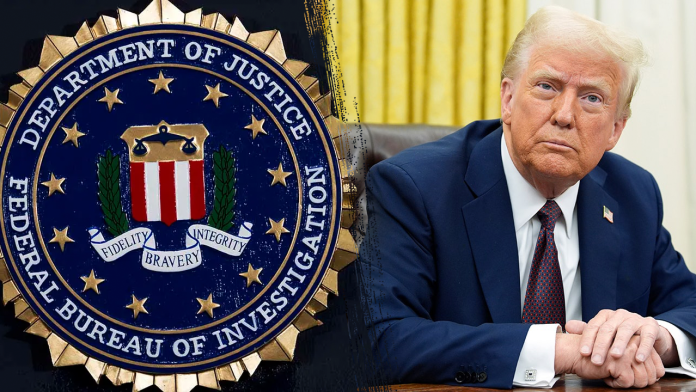
FIRST ON FOX— The Federal Bureau of Investigation Agent’s Association (FBIAA) sent a letter to House and Senate leaders Monday raising “urgent concerns” over recent actions taken by acting DOJ and FBI personnel, which they say threatens careers of thousands of employees and risks disrupting the bureau’s essential work.

The FBIAA, a voluntary professional association representing more than 14,000 active and retired FBI special agents, cited in particular the order from acting Deputy Attorney General Emil Bove to terminate the entire FBI senior leadership team, and the assistant director in charge of the Washington Field Office, as well as the order for bureau employees to compile lists of all current and former personnel who worked on investigations related to January 6, 2021, and a Hamas-related case.

The lists, the group said, “will be used to determine whether those individuals should face additional personnel actions.”

“Put simply, Special Agents who risk their lives protecting this country from criminals and terrorists are now being placed on lists and having their careers jeopardized for carrying out the orders they were given by their superiors in the FBI,” the group said, saying the actions both lack “transparency and due process,” and “are creating dangerous distractions, imperiling ongoing investigations, and undermining the Bureau’s ability to work with state, local, and international partners to make America safe again.”

CLICK HERE TO GET THE FOX NEWS APP 

This is a breaking news story. Check back soon for updates.

Trump Urges Trading Ukraine’s Rare Earth Minerals for More U.S. Aid

0

President Trump said Monday he wants to strike a deal with Ukraine whereby Kyiv would supply the United States with rare earth minerals in exchange for American aid, offering the clearest sign yet of his transactional approach to supporting the war-torn nation.

“We’re looking to do a deal with Ukraine, where they’re going to secure what we’re giving them with their rare earths and other things,” Mr. Trump said from the Oval Office, where he was signing executive orders. “We want a guarantee.”

Ukraine is rich in rare earth minerals such as lithium, uranium and titanium, which are crucial for manufacturing a broad range of modern products including electric car motors and wind turbines.

Mr. Trump’s offer comes as his new government has halted foreign development aid worldwide, forcing many humanitarian organizations in Ukraine to suspend operations and leaving the Ukrainian government scrambling to secure alternative financing for critical programs, including support for its battered energy grid and war veterans.

President Volodymyr Zelensky said U.S. military assistance provided by the Biden administration had not been affected by the recent freeze on foreign aid. But Mr. Trump has long voiced reluctance to continue sending billions of dollars in weapons and other equipment to the beleaguered nation, arguing that it costs the U.S. too much.

In many ways, Mr. Trump’s offer to trade aid for rare earth minerals aligns with the transactional foreign policy strategy he has pursued since returning to office. He has been leveraging the U.S.’s economic power to pressure allies, including Colombia and Mexico, into agreeing to, or at least negotiating on, his demands.

By expressing interest in Ukraine’s rare earth minerals, Mr. Trump is also picking up on an offer that originally came from Mr. Zelensky himself. In recent months, as the Ukrainian president looked for ways to appeal to the incoming Trump administration, he has emphasized that helping defend Ukraine is in America’s economic interest since his country is rich in critical minerals that could boost U.S. industries.

Reacting to Mr. Trump’s statement, a top Ukrainian official said Monday night that Ukraine is ready to work with the U.S. on rare earth mineral deals, provided the U.S. offers sufficient security guarantees to prevent these resources from falling into Russian hands. He spoke on condition of anonymity to discuss a sensitive matter.

Ukrainian authorities say the country holds deposits of more than 20 critical rare earth minerals, with some consulting and equity firms valuing them at several trillion dollars. But experts caution that the true value is hard to estimate as many reserves remain inaccessible, in part because of the Russian occupation of parts of Ukraine.

Ukraine had planned to sign an agreement with the Biden administration late last year to cooperate on extracting and processing minerals. But the Ukrainian authorities postponed the signing of such a deal, in what officials on both sides said was a signal that Kyiv was waiting for Mr. Trump to take office to strike an agreement with him.

In December, a Ukrainian government delegation met with U.S. businessmen in Washington, presenting potential business deals that included acquiring production licenses for critical minerals, either directly or through partnerships with existing license holders, according to a government presentation seen by The New York Times.

But how quickly and effectively Ukraine can finalize these deals remains uncertain. At a conference in Kyiv last week, Ukrainian business leaders and lawmakers stressed that much exploration remains to be done to assess the true value of the country’s critical minerals. And administrative and legislative obstacles still hinder foreign investment in the sector.

What’s more, Russia’s advances on the battlefield have allowed Moscow’s troops to seize significant reserves of rare earth minerals in Ukraine, and they are rapidly approaching other reserves. Russian forces are currently less than seven miles from a major lithium reserve in Ukraine’s southeastern Donetsk region.

New CFPB head Scott Bessent orders staff to halt work : NPR

0

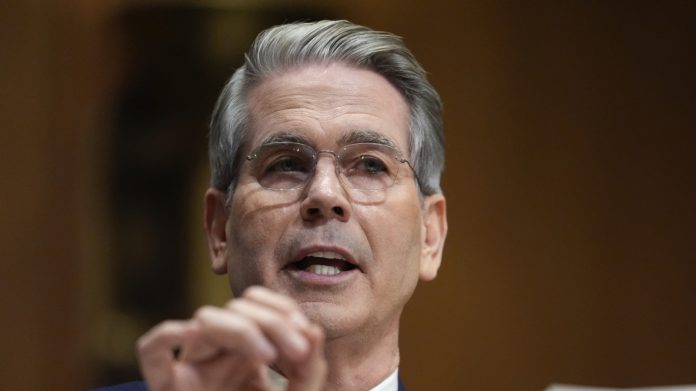
Scott Bessent, the Treasury Secretary, has been tapped by President Trump to be acting director of the Consumer Financial Protection Bureau. Bessent is seen here at the Capitol in Washington last month.

J. Scott Applewhite/AP/AP


hide caption

toggle caption

J. Scott Applewhite/AP/AP

Scott Bessent, who was confirmed as Treasury Secretary last week, has been named acting director of the Consumer Financial Protection Bureau. Bessent replaces Rohit Chopra, who was fired on Saturday.

In an internal email shared with NPR, staff were instructed to immediately cease much of the bureau’s work, including issuing or approving proposed or final rules or guidance, and suspending the effective dates of all final rules that have been issued but have not yet become effective.

Staff were also instructed not to commence or settle enforcement actions, nor to issue any public communications of any type, including research papers. The directive was made “[i]n order to promote consistency with the goals of the Administration,” the email said.

Bessent, a wealthy hedge fund manager, was already expected to be a business-friendly choice to lead the Treasury. Now he will lead the CFPB, the federal consumer watchdog, at least for a time.

“I look forward to working with the CFPB to advance President Trump’s agenda to lower costs for the American people and accelerate economic growth,” Bessent said in a statement.

CFPB has had several lawsuits underway, including enforcement actions against Capital One, Walmart, and Zelle and its parent banks.

Senator Elizabeth Warren (D-Mass.), who had a key role in the formation of the agency and who serves on the Senate Banking Committee, criticized Bessent’s order halting the bureau’s work.

“Shutting down CFPB enforcement actions that are on the verge of delivering money into the pockets of working people is at odds with President Trump’s claim that he wants to lower costs for families,” Warren said in a statement.

Chopra had led the bureau since 2021 and frequently took on big banks. Under his leadership, the CFPB issued a number of regulations, including limiting overdraft fees, capping credit card late fees, and banning medical debt from appearing on credit reports.

The Consumer Bankers Association, which represents retail banks, cheered the choice of Bessent and suggested he should rescind certain rules promulgated during the Chopra era.

But consumer advocates decried the tapping of Bessent.

“While [Trump] parades a crowd of corporate lobbyists, billionaire donors, and Wall Street insiders like Scott Bessent to lead our country, we’re looking at the end of basic protections for American consumers,” said Tony Carrk of Accountable.US, a corruption watchdog group.

The CFPB is an independent bureau within the Federal Reserve system. It’s funded outside of the congressional appropriations process, and its funding comes from the Fed. The bureau was created in 2010 by the Dodd-Frank Wall Street Reform and Consumer Protection Act.

That legislation was passed following the 2008 financial crisis and it was intended to protect consumers from overreach by financial institutions and help prevent another crisis.

Senate Republicans introduce bill to reform birthright citizenship, following Trump’s controversial order

0

Following President Donald Trump’s controversial day-one executive order attempting to end birthright citizenship for the children of illegal immigrants, several Senate Republicans have introduced a bill that would reform U.S. law to accomplish exactly that.

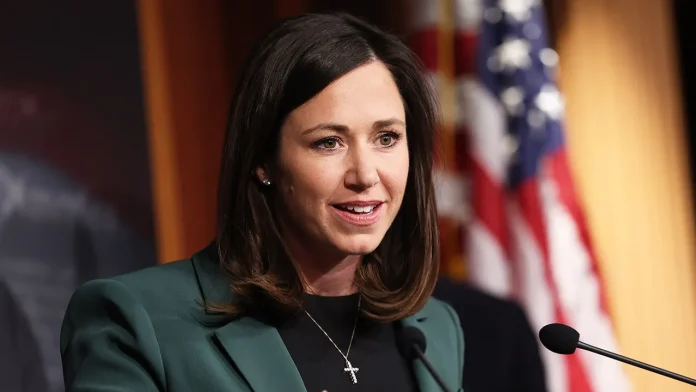
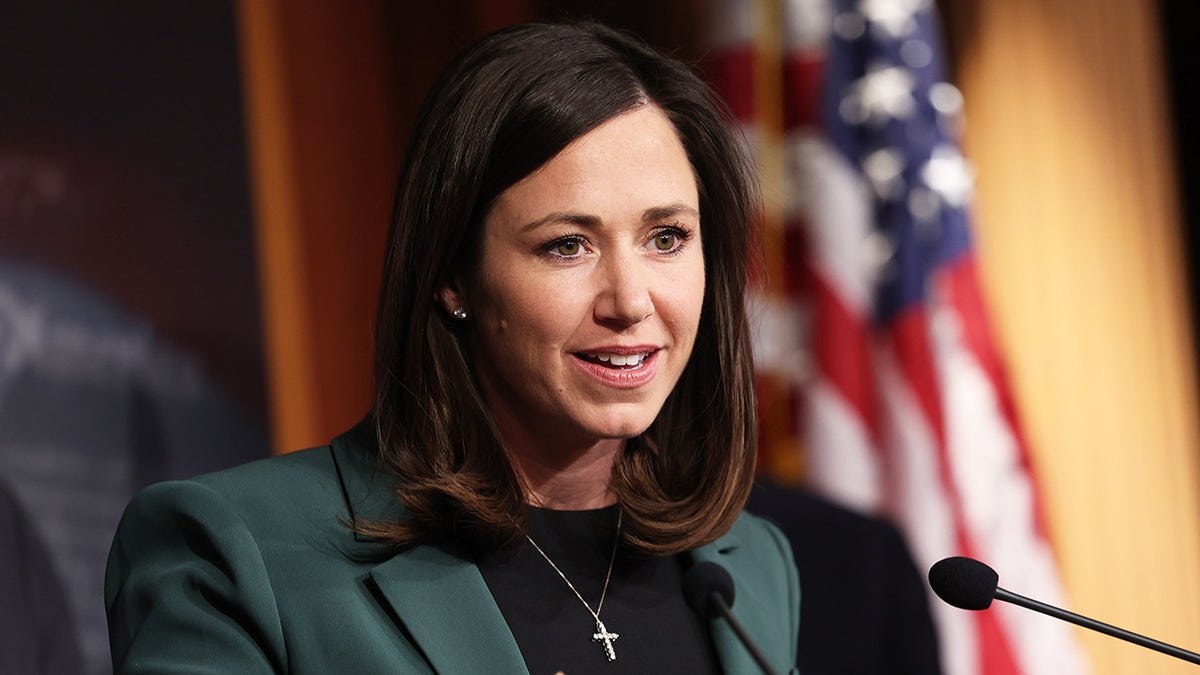
Titled the “Birthright Citizenship Act of 2025,” the bill would end the practice of automatically conferring citizenship status on people born in the U.S. of parents who are either illegal aliens or who are in the country legally on a temporary basis. The bill was introduced in the Senate on Jan. 31 by Republican Sens. Lindsey Graham of South Carolina, Katie Britt of Alabama and Ted Cruz of Texas.

The bill’s sponsors said in a statement that the measure would address what they called “one of the biggest magnets for illegal immigration,” which they believe poses a weakness to national security.

TRUMP ORDER ENDING BIRTHRIGHT CITIZENSHIP FOR ILLEGAL IMMIGRANTS IS CONSTITUTIONAL, EXPERT SAYS

Sen. Lindsey Graham, R-S.C., left, joined by Sen. Ted Cruz, R-Texas, during a news conference at the Capitol in Washington, Thursday, May 9, 2024.  (AP Photo/J. Scott Applewhite)

The Center for Immigration Studies (CIS) estimates there are 33,000 births to tourist women in the U.S. annually. CIS further estimates that there are hundreds of thousands more births to illegal aliens or aliens present on temporary visas.

A 2022 report by the Senate Committee on Homeland Security and Governmental Affairs revealed the existence of several “birth tourism” companies in the U.S., including one called “Miami Mama” that catered to wealthy Russian clients looking to gain legal status in the U.S.

“It is long overdue for the United States to change its policy on birthright citizenship because it is being abused in so many ways,” Graham said in the Friday statement. 

He pointed to the practice of birth tourism, which he said was enabling “wealthy individuals from China and other nations to come to the United States simply to have a child who will be an American citizen.”

NEARLY 2 DOZEN STATES SUE TRUMP ADMIN OVER BIRTHRIGHT CITIZENSHIP ORDER: ‘UNPRECEDENTED’

illegal immigrants el paso, texas

A man plays with a child while waiting with other migrants from Venezuela near a bus station after being released from U.S. Border Patrol custody in El Paso, Texas, U.S., September 13, 2022.  (REUTERS/Jose Luis Gonzalez)

“When you look at the magnets that draw people to America, birthright citizenship is one of the largest,” said Graham. “I also appreciate President Trump’s executive order to address birthright citizenship. It is time for the United States to align itself with the rest of the world and restrict this practice once and for all.”

Currently, standard practice in the U.S. is to grant automatic citizenship to all children born on U.S. soil. This has been the practice only since the 1960s and is based on what some believe is a flawed interpretation of the 14th Amendment, which reads that “all persons born or naturalized in the United States, and subject to the jurisdiction thereof, are citizens of the United States and of the State wherein they reside.”

The Birthright Citizenship Act of 2025 would clarify that to meet the “subject to the jurisdiction thereof” clause, a person born in the U.S. must have at least one parent who is a citizen, national, legal permanent resident, or legal alien serving in the U.S. military on active duty.  

The law clarifies that it would not affect the citizenship of anyone born before the law’s passage and would only restrict the citizenship of those born in the U.S. after.

22 STATES CHALLENGE TRUMP’S ‘UNCONSTITUTIONAL’ BIRTHRIGHT CITIZENSHIP ORDER 

Trump walks along border wall

US President Donald Trump speaks with US Border Patrol Chief Rodney Scott (R) as they participates in a ceremony commemorating the 200th mile of border wall at the international border with Mexico in San Luis, Arizona, June 23, 2020.  (SAUL LOEB/AFP )

CLICK HERE FOR MORE IMMIGRATION COVERAGE

This comes after Trump signed an executive order titled “Protecting the Meaning and Value of American Citizenship” on his first day in office. The order, which has since been temporarily blocked by a court ruling, directed government agencies to refrain from issuing any documents recognizing the citizenship of any children born in the U.S. to illegal and temporary migrants.

Hans von Spakovsky, a senior legal fellow at the Heritage Foundation, told Fox News Digital that he believes “if this issue gets to the Supreme Court, and it is highly likely that it will, if the court applies the actual text of the amendment and looks at its legislative history — what the sponsors of the bill said at the time — and follows its own precedents in the three cases that looked at this issue, then they will rule in Trump’s favor. This bill would simply clarify what we already know about the amendment and its intent.”

“The most important point here is that this bill is not trying to amend the 14th Amendment,” he said. “It is simply explaining what the terms of the 14th Amendment mean.”

“I think it is important for Congress to reemphasize what it said when it first sponsored and passed the 14th Amendment: that the phrase ‘subject to the jurisdiction’ of the U.S. would not apply to the child of an alien who is illegally in the U.S. and is, when born, a citizen of the country of the child’s parents, and therefore not subject to the jurisdiction of the U.S.,” he went on. “The current statute, 8 USC 1401, simply repeats the language of the 14th Amendment. It has been totally misinterpreted in recent decades by those who mistakenly say the amendment and the federal law only require birth in the U.S.” 

TRUMP ADMIN HITS BACK AS ACLU LAUNCHES LAWSUIT ON BIRTHRIGHT CITIZENSHIP: ‘READY TO FACE THEM’

Katie Britt

Sen. Katie Britt, R-Ala. (Kevin Dietsch/Getty Images)

Echoing the language used in Trump’s order, Britt said that “the promise of American citizenship should not incentivize illegal migration, but that’s exactly what has happened for far too long.” 

CLICK HERE TO GET THE FOX NEWS APP

“It’s time to fix this,” said Britt. “Senator Lindsey Graham’s and my Birthright Citizenship Act would codify President Trump’s commonsense stance and end the abuse of birthright citizenship that I do not believe is consistent with the original meaning of the 14th Amendment’s Citizenship Clause. This will protect our nation’s sovereignty, disincentivize illegal migration, and ensure America’s citizenship practices are stronger and better aligned with peer countries around the globe.”

This comes after House Science and Technology Committee Chairman Brian Babin, R-Texas, introduced a bill on Jan. 21 to similarly clarify that the 14th Amendment does not include children of those who are in the country illegally or on a temporary basis. 

Mexico Reaches Deal With Trump Administration to Delay Tariffs

0

President Claudia Sheinbaum of Mexico struck a deal to get at least a temporary reprieve from the 25 percent tariffs the Trump administration had planned to implement on Tuesday.

What is USAID and what does it do? : NPR

0

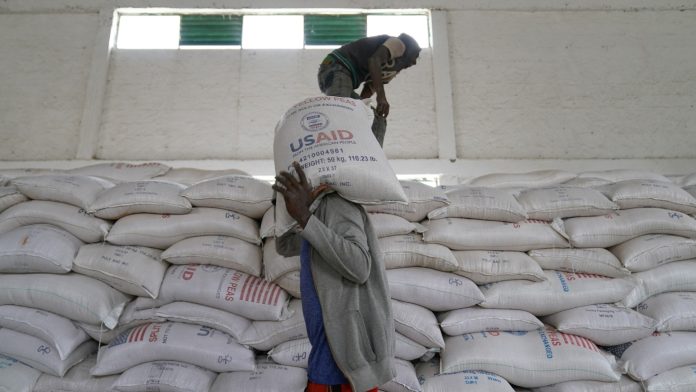
Workers move bags of yellow lentils at an aid operation run by USAID, Catholic Relief Services and the Relief Society of Tigray in Mekele, Ethiopia, on June 16, 2021.

Jemal Countess/Getty Images


hide caption

toggle caption

Jemal Countess/Getty Images

The main agency tasked with distributing U.S. foreign aid — USAID — is facing renewed scrutiny by the Trump administration, which has suggested it could drastically overhaul or even shutter the organization.

Here’s what to know about the agency.

What is USAID?

Created in 1961 by President John F. Kennedy, the U.S. Agency for International Development emerged from an effort to separate military and non-military assistance and revamp how the U.S. distributed foreign aid.

Kennedy argued that the U.S., as the wealthiest country on Earth, had a moral and financial obligation to provide foreign aid. It was also politically advantageous to the U.S. to fund projects in poorer countries, he said, to try to prevent the collapse of “existing political and social structures which would inevitably invite the advance of totalitarianism.”

In 1971, at the height of the Vietnam War, the Senate rejected a foreign aid bill, in part over growing concerns that foreign assistance wasn’t helping U.S. interests abroad. Congress later refocused U.S. foreign aid efforts on projects designed to tackle specific issues, such as agriculture, family planning and education.

Still, in the decades since, some lawmakers and public officials have continued to question USAID’s effectiveness and accountability as an independent agency.

What does it do?

USAID provides humanitarian assistance during global conflicts and other emergencies. It funds efforts to promote public health, improve education and protect human rights. It also works to further U.S. interests abroad.

The country that received the most USAID funding during the 2023 fiscal year was Ukraine during its ongoing war with Russia, according to a report by the Congressional Research Service using the most recent complete data available. The agency has also sent humanitarian aid to Gaza during the war between Israel and Hamas, and allocates funds to counter China’s influence in the world.

Other top recipients of USAID assistance in that fiscal year included Ethiopia, Jordan, the Democratic Republic of Congo, Somalia and Yemen.

An archived post on USAID’s website, which vanished in recent days, said the agency responds to an average of 75 humanitarian crises each year, and has recently provided support during ongoing emergencies in Haiti as well as countries in Africa and the Middle East.

Other issues the agency has been working on include food security, climate change and global health. Experts have noted that a key component of USAID’s work is preventing disease outbreaks and epidemics from reaching the U.S.

The recent decision to freeze the agency’s activities is already having ramifications abroad. NPR reported that work has stopped on the reconstruction of 10 flood-damaged police stations in Pakistan and a project that secretly provides education to girls in Taliban-controlled Afghanistan could shut down.

How much does it cost?

In the 2023 fiscal year, USAID managed a roughly $40 billion budget. (That represents less than 1% of the total federal budget of $6.1 trillion the same year.) It provided aid to about 130 countries that year.

Though other U.S. departments and agencies distribute foreign aid, USAID has doled out the bulk of international assistance for more than half a century. It has over 10,000 employees, about two-thirds of whom work abroad.

Projects funded by USAID are typically implemented by U.S. or foreign nongovernmental and international organizations, nonprofit and for-profit contractors, universities or foreign governments.

The White House and Senate proposed a plan during Trump’s first term to overhaul the agency, including giving the State Department control over U.S. humanitarian aid.

Counter-drug sea drones utilized by Navy as Trump ramps up military resources at the border

0

Unmanned sea drones are on the prowl to interdict drug smugglers in America’s waters as part of a new Navy operation.  

The operation will test the Navy’s use of maritime drones, in its early stages, and apply lessons learned to missions all across the globe. 

Dubbed Operation Southern Spear, the Navy’s 4th Fleet will use “a heterogeneous mix of Robotic and Autonomous Systems (RAS) to support the detection and monitoring of illicit trafficking while learning lessons for other theaters,” a news release said on Monday. 

DEMOCRATS PRESS ARMY SECRETARY NOMINEE IF ‘READINESS’ AFFECTED BY SOUTHERN BORDER DEPLOYMENTS

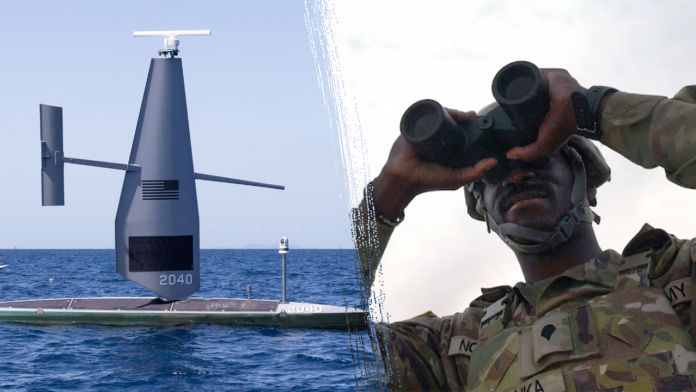
Saildrone Voyagers SD-2040 and SD-2041 equipped with 200W radars in the Caribbean Sea.  (MediaValet)

As President Donald Trump shuts down the U.S. southern and northern borders, smugglers are expected to look for alternative routes to carry out their illegal trafficking business. Human and drug trafficking cartels have increasingly turned to the nation’s maritime borders to smuggle weapons, narcotics and people into the country.  

According to recent data, more illicit drugs were seized at sea by Customs and Border Patrol’s Air and Marine Operation (AMO) in 2023 – 304,000 pounds – than by land – 241,000 pounds. 

Southern Spear will operate as part of Joint Task Force South – a Defense Department task force made up of Navy, Coast Guard and Customs and Border Protection, as well as 20 partner countries focused on counter-narcotics and maritime security in the Carribean, Central and South America. 

TRUMP THREATENS TO TAP ALLIES FOR MILITARY SHIPBUILDING IF US CAN’T PRODUCE

Soldiers keep watch near the southern border in New Mexico

Soldiers assigned to the 192nd Quartermaster Company from Milan, Ohio, monitor the southern border near Santa Teresa, New Mexico, Jan. 28, 2025. (Department of Defense)

Included in the operation are 20 high-endurance Saildrone Voyager unmanned surface vehicles, equipped with a newly upgraded sensor suite, according to the press release. The vehicles are 10 meters long and can surveil thousands of square miles of water per day to look for smugglers. 

The drones have already sailed the Persian Gulf under the Navy’s Hybrid Fleet Campaign and Project 33 and as part of Operation Windward Stack, operated by the 4th Fleet throughout 2024. They offer a 95% detection rate and are contractor owned and operated. This means that SailDrone operates the surveillance platform while the Defense Department purchases the data. 

ARMY SAW SPIKE IN DEADLY AVIATION ACCIDENTS IN YEAR BEFORE DC PLANE CRASH DISASTER

“As land borders become more secure, traffickers will exploit maritime pathways more than ever. We’re honored to serve, providing autonomous around-the-clock maritime surveillance to help stop smugglers before they reach our shores,” said Tom Alexander, Saildrone VP of government relations. 

Already, nearly 90% of cocaine is trafficked at sea, according to the International Chamber of Shipping (ICS). Cartels look to exploit gaps in surveillance coverage that the new mission will look to plug with maritime drones.  

Soldiers observe razor wire used at the southern border in California

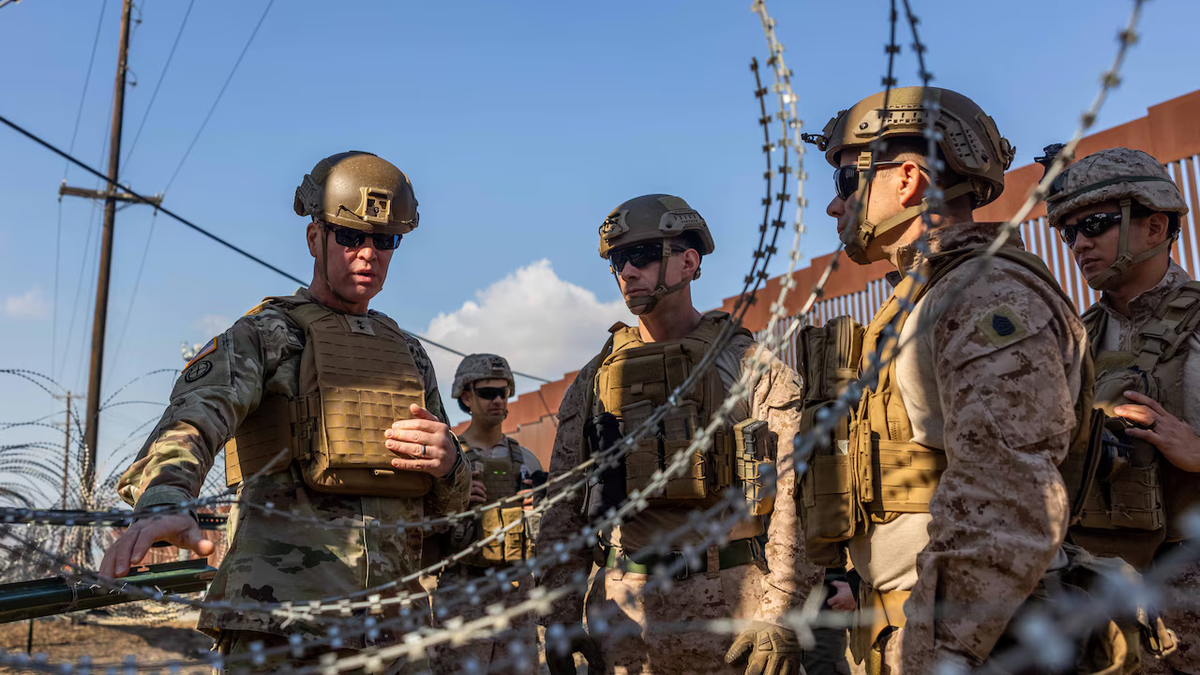
Army Maj. Gen. Henry S. Dixon, left, Joint Task Force North commander, discusses southern border operations with Marines assigned to the 1st Combat Engineer Battalion, 1st Marine Division, near San Ysidro, Califorrnia, Jan. 28, 2025. (Department of  Defense )

CLICK HERE TO GET THE FOX NEWS APP

Utilizing U.S. military might to disrupt the flow of human and drug trafficking at the southern border has been a top priority for Trump. 

Upon taking office, the president immediately sent an additional 1,500 troops and additional assets to the border. Over the weekend, the U.S. secured an agreement with Mexican President Claudia Sheinbaum, who will send 10,000 Mexican troops to the U.S.-Mexico border in exchange for a one-month delay in Trump’s threat of 25% tariffs on goods flowing in from Mexico. 

Pro-Russia Ukrainian Is Killed in Moscow Blast, Russian Media Says

0

A prominent pro-Russia separatist figure from Ukraine was killed after a bomb exploded on Monday inside a gated residence in Moscow, Russian news media said, in what appears to be another attack targeting opponents of Kyiv.

The figure, Armen Sarkisyan, the founder of a battalion fighting in eastern Ukraine, was pronounced dead in a Moscow hospital, Russian news media said, citing the country’s Investigative Committee, which typically handles high-profile crimes.

The Investigative Committee said earlier in a statement that four people had been taken to a hospital with injuries after a bomb exploded at the Scarlet Sails apartment complex. It said one person had been killed in the explosion.

The Russian media reports said that Mr. Sarkisyan had been taken to the hospital with injuries and had died there, and that his bodyguard had died at the scene.

The agency did not name any suspects. It was also not immediately clear if Mr. Sarkisyan had been a resident of the complex.

Ukrainian officials have not yet commented on the blast.

The explosion inside a building in an upscale neighborhood appeared to be another significant attack in Moscow, where a Russian general was killed in December by a bomb planted on a scooter in an assassination Ukraine claimed.

The general, Igor Kirillov, was in charge of the Russian military’s nuclear and chemical weapons protection forces. His assistant also died in the attack.

Mr. Sarkisyan was wanted in Ukraine on accusations of plotting killings and hiring thugs to harass antigovernment activists during protests in Kyiv, the Ukrainian capital, in 2014.

He later supported Russia’s invasion of eastern Ukraine in 2014 and most recently founded a battalion fighting alongside Russian forces in Ukraine.

Ivan Prikhodko, the mayor of the Russian-controlled town of Horlivka in eastern Ukraine, where Mr. Sarkisyan was originally from, referred in a Telegram post to the leader’s death, without providing details. He hailed Mr. Sarkisyan’s Arbat battalion for playing a “crucial role in ensuring security” in areas of Ukraine’s Donetsk region that Russia had captured.

Footage posted by Tass, a state-owned news agency, and other Russian media outlets from the scene of the explosion showed the glass doors of the entryway mangled and smashed.

Russian officials did not immediately say how an explosive was planted and detonated.

Dmitri S. Peskov, a Kremlin spokesman, on Monday had no comment on the blast and said that an official inquiry was underway.

Trump targets USAID, with Marco Rubio now acting head : NPR

0

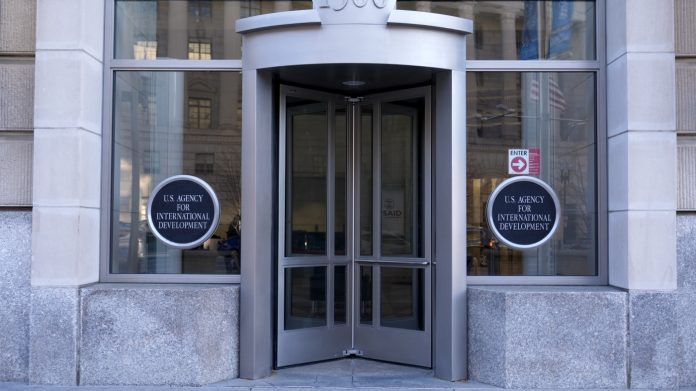
The U.S. Agency for International Development, or USAID, is pictured Saturday in Washington.

Carolyn Kaster/AP


hide caption

toggle caption

Carolyn Kaster/AP

Secretary of State Marco Rubio says he is now the acting director the U.S. Agency for International Development, following the Trump administration’s sudden freeze on federal foreign spending.

Speaking to reporters in El Salvador on Monday, Rubio accused the agency of not cooperating with requests for information on how it spent taxpayer dollars.

Earlier on Monday, Elon Musk announced that his Department of Government Efficiency was in the process of “shutting down USAID.”

USAID employees woke up to an email telling them the headquarters in Washington, D.C., would be closed for the day and that they should work from home.

Some Democratic members of Congress are speaking out against the Trump administration’s efforts to halt most of USAID’s work.

“This is an entity that was created through federal statute, codified through federal statute, and something that cannot be changed, cannot be removed except through actions of Congress,” Democratic Sen. Andy Kim of New Jersey said, as demonstrators gathered outside USAID headquarters.

Founded in 1961, the agency manages billions of dollars in federal humanitarian assistance around the world. But its work was been thrown into upheaval in the last week, as the Trump administration halted nearly all its programs.

While Rubio said he is officially the acting director of USAID, he said he has “delegated that authority to someone, but I stay in touch with him,” without naming the person he is delegating to.

He said there are things that USAID does “that we should continue to do and we will continue to do. But everything they do has to be in alignment with the national interest and the foreign policy of the United States.”

This is a developing story that will likely be updated.

NPR’s Fatma Tanis, Hansi Lo Wang and Shannon Bond contributed reporting.